
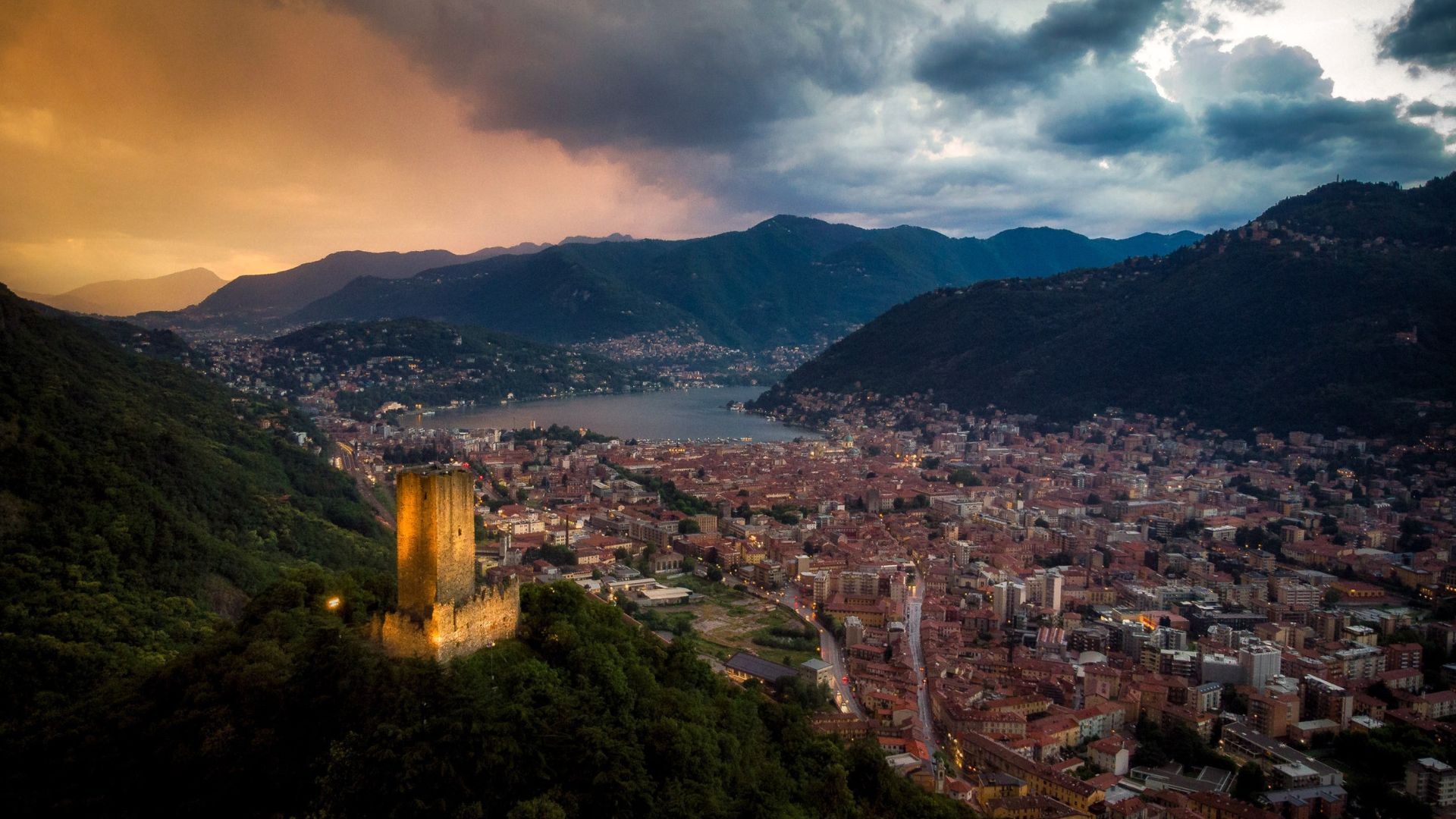
The lake gets the attention. On foot, between bookshops, lunch tables and the western waterfront, Como makes a persuasive case for staying.
In a bookshop on Via Vitani, the shelves offer a clue to the city outside. At Libreria Plinio il Vecchio, books on architecture, photography and fashion sit alongside rarer volumes on textiles and traditional crafts. It is the sort of place where a quick browse can become the morning’s main event.
The temptation to head straight for the water is understandable. The lake is there, the boats are waiting, and the names further along the shore have probably been on your itinerary for months. But Como has its own reasons to keep you: a textile heritage that reaches into its bookshops, modern buildings that reward a second look, and streets where lunch can become a better proposition than the next departure.
Start a few streets inland. Beretta Il Fornaio has a branch on Piazza Boldoni, a useful first stop for something from the bakery before exploring the old centre. From here, let the streets, rather than a sequence of map pins, set the pace.
On Via Vitani, make room for that bookshop. Established by the Peverelli family in the early 1980s, Plinio il Vecchio became a reference point for Como’s textile designers as well as readers interested in art and illustrated books. Its selection makes sense in a city where pattern, colour and fabric belong to a working tradition.
That connection to making gives Como another dimension. For a closer look, the Museo della Seta on Via Castelnuovo traces silk production through machines, tools, documents and samples. It is a separate excursion from the old centre, worth making time for if textiles or design interest you. The museum follows the process from silkworm breeding to finishing, giving substance to a phrase that otherwise risks becoming a souvenir-shop slogan: city of silk.
Back around the cathedral, the architecture changes the conversation. Walk behind the Duomo to see Giuseppe Terragni’s Casa del Fascio. Its ordered geometry offers a striking shift from the buildings you have just passed. Its original purpose as the local Fascist Party headquarters is part of the history, too. Looking properly means taking in both the architectural achievement and the circumstances in which it was made.
You need not turn the morning into a lesson in Rationalism. Como accommodates different periods at close quarters; the pleasure is in seeing them together.
Lunch is nearby. Ristorante Sociale on Via Rodari began in 1813 alongside the theatre of the same name, later moving to its present home in part of Palazzo Odescalchi. Vaults, exposed brick, frescoes and a small courtyard beside the church of San Giacomo give it a setting you would never gather from looking across the lake. Book a table, ask about the day’s dishes and allow lunch the time it deserves.
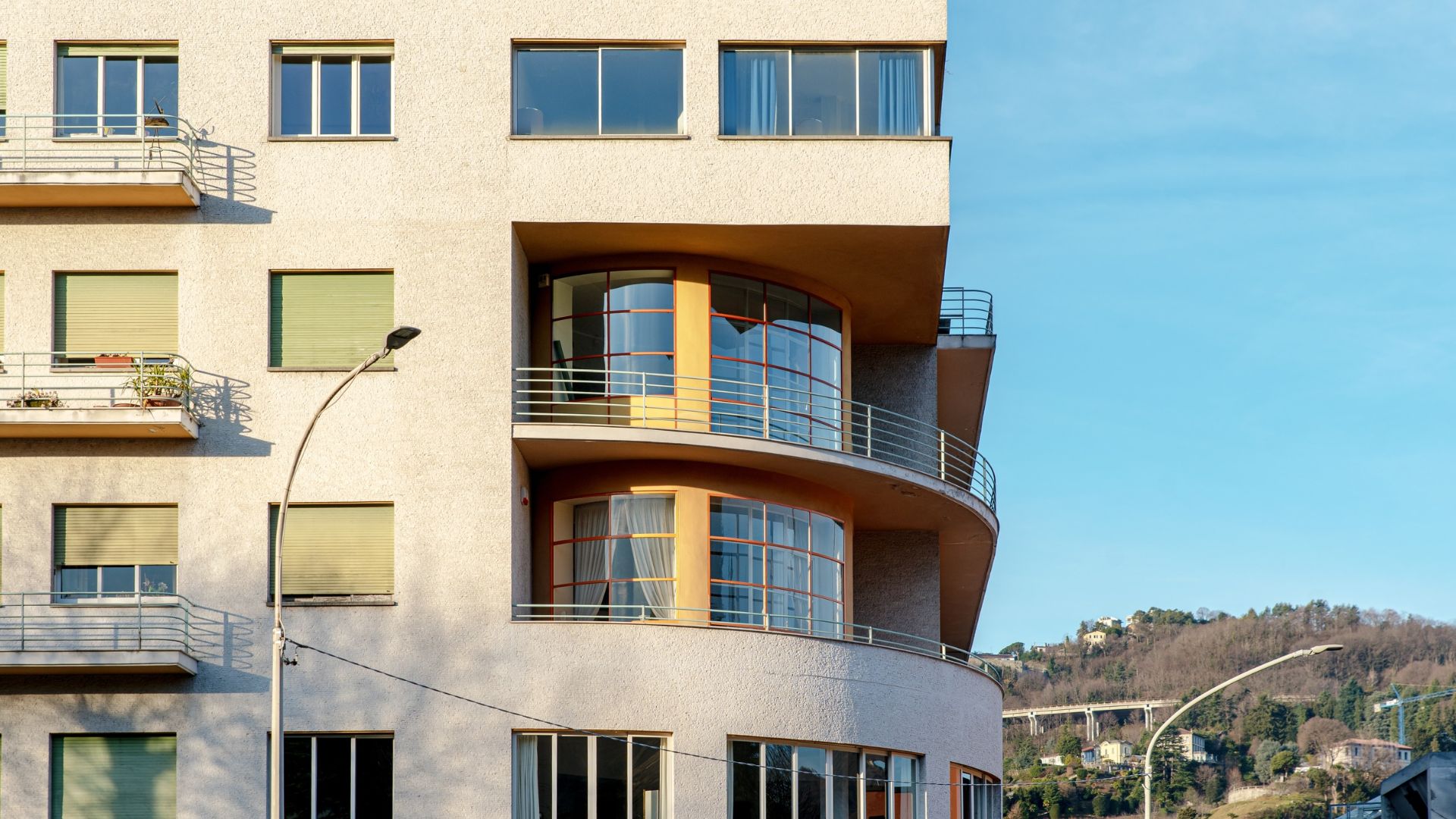
In the afternoon, head west along the waterfront towards the Tempio Voltiano and the Sinigaglia. Around the stadium, pause at Novocomum, Terragni’s apartment building completed in 1929. Its nickname, Transatlantico, becomes clear when you look at its rounded corners and long horizontal lines. An ocean liner, apparently, can make itself at home on a city street.
Here, sport and architecture occupy the same small stretch of Como. The stadium itself was designed by Giovanni Greppi; Terragni’s buildings are neighbours, rather than part of the same architectural signature.
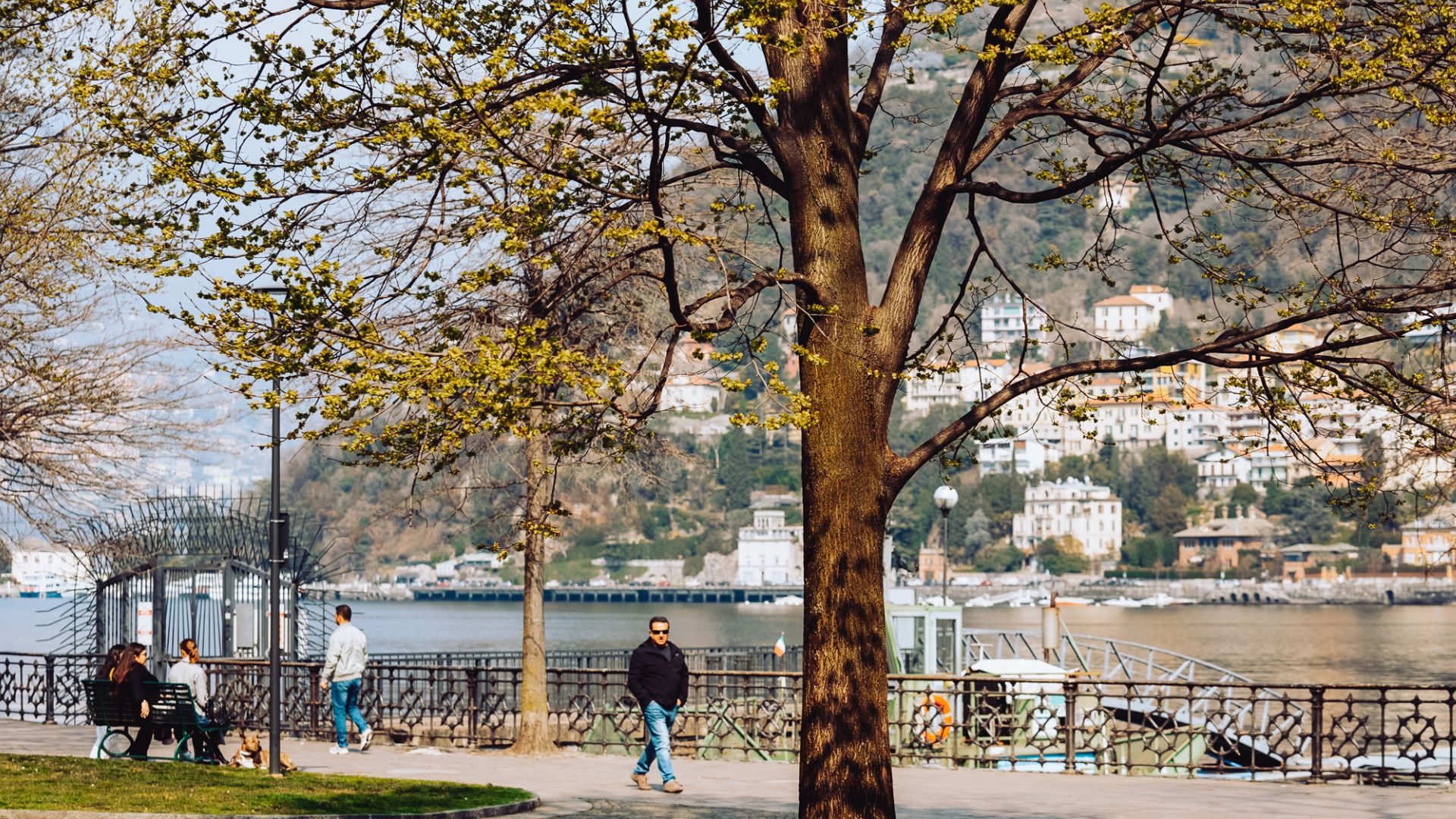
Continue towards Villa Olmo along the Passeggiata Lino Gelpi. The route brings the water close, passing the lakeside villas Saporiti and Gallia on the way. This is a chance to enjoy the lake without organising a crossing or watching a departure board.
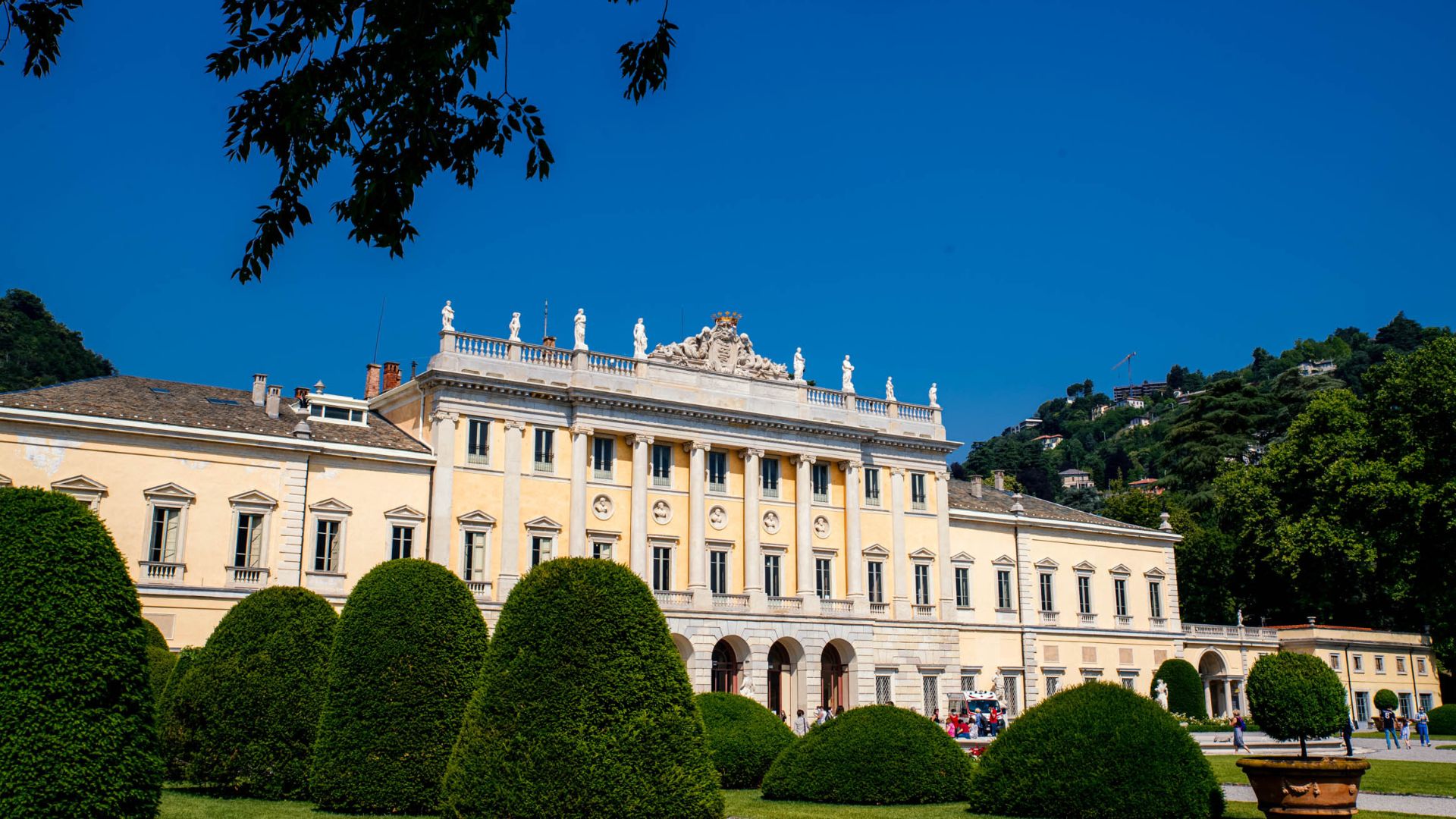
Villa Olmo’s neoclassical frontage provides a generous destination for the walk. The villa is currently closed for restoration, but the municipality lists its park as open. Plan for the grounds and the view rather than an interior visit. After a morning among streets and buildings, space beside the water is reason enough to come.
On the way back towards the centre, detour into old Borgo Vico; look at the places to eat, read a menu, consider where you might return for dinner. By this point, extending the day should feel like an appealing decision rather than an itinerary failure.
There is still a lake to explore tomorrow. Today has brought a different set of discoveries: textile books in an old palazzo, a courtyard behind the cathedral, an apartment building with a ship’s silhouette. When you next look towards the ferry, you may already be thinking about what to do before you leave.