
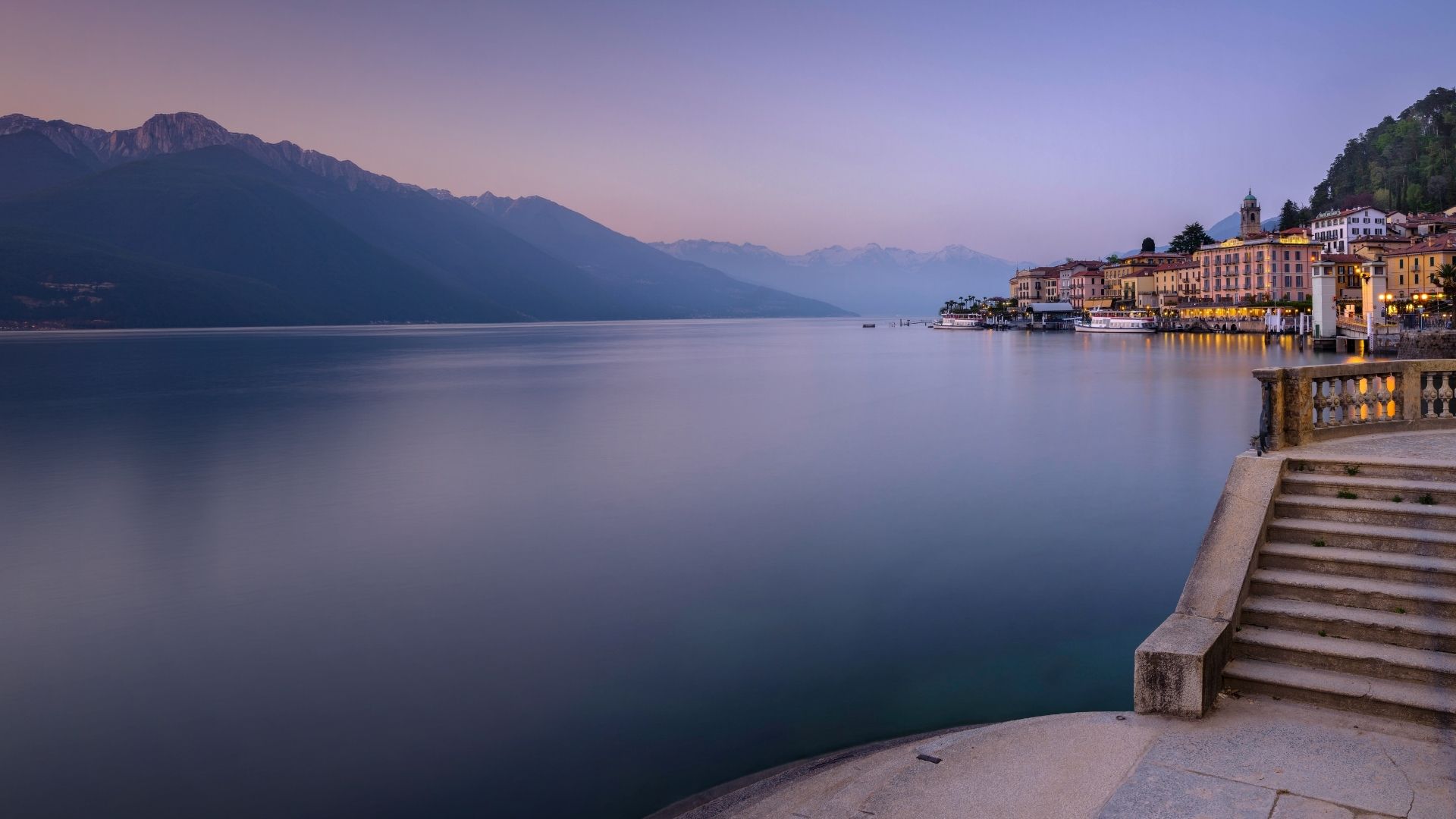
"The lake connects its villages. Their stories keep them beautifully apart."
Visitors often speak about Lake Como as though it were a single place.
From the water, that is understandable. The villages seem to belong to the same landscape, joined by the lake and framed by the same mountains. Step ashore, however, and each begins to tell a different story.
Some grew around waterfalls. Others were shaped by castles, mountain paths or the stone beneath their feet. Each found its own way to live beside the water.
Together, they explain something no map can quite show.
Lake Como is one lake, but it has never been one place.
ARGEGNOThe Village Between Two Worlds
Argegno has always belonged to two landscapes.
One looks across the lake. The other climbs into the mountains.
For centuries, grain, chestnuts and timber travelled down from the Intelvi Valley before continuing across the water. The village became a meeting point where mountain life and lake life depended on one another.
Today, the cable car to Pigra follows almost the same journey, replacing hours of climbing with a few minutes in the air. The view may have changed, but the connection has not.
Look Closer
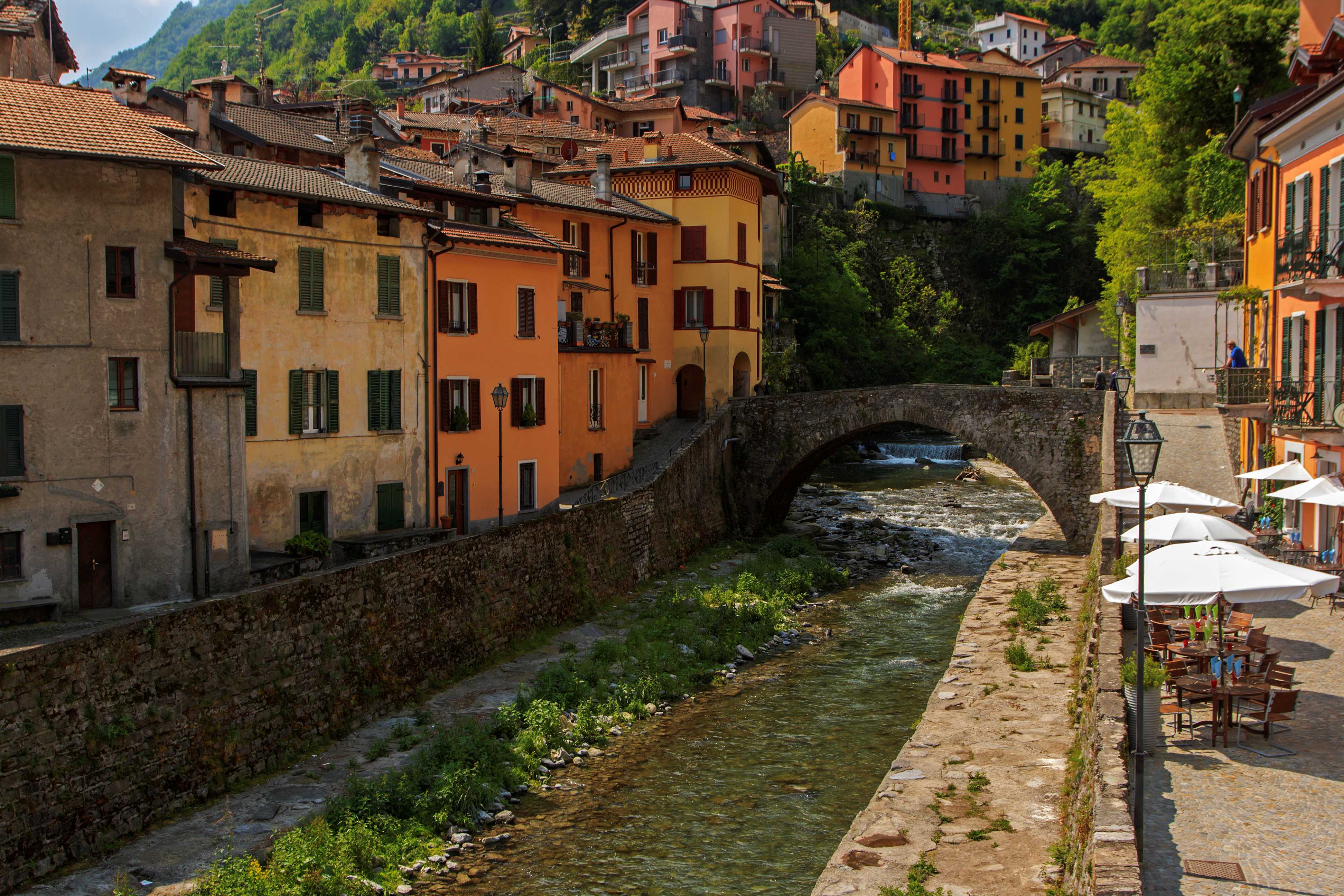
Walk along Vicolo dei Mulini and notice the stream running beside you. Its water once powered the mills that processed the grain arriving from the valley.
It is a small reminder that Argegno was not simply built beside the mountain. It worked with it.
CORENNO PLINIOThe Village Behind the Castle Walls
Before Corenno Plinio was admired for its beauty, it was valued for its protection.
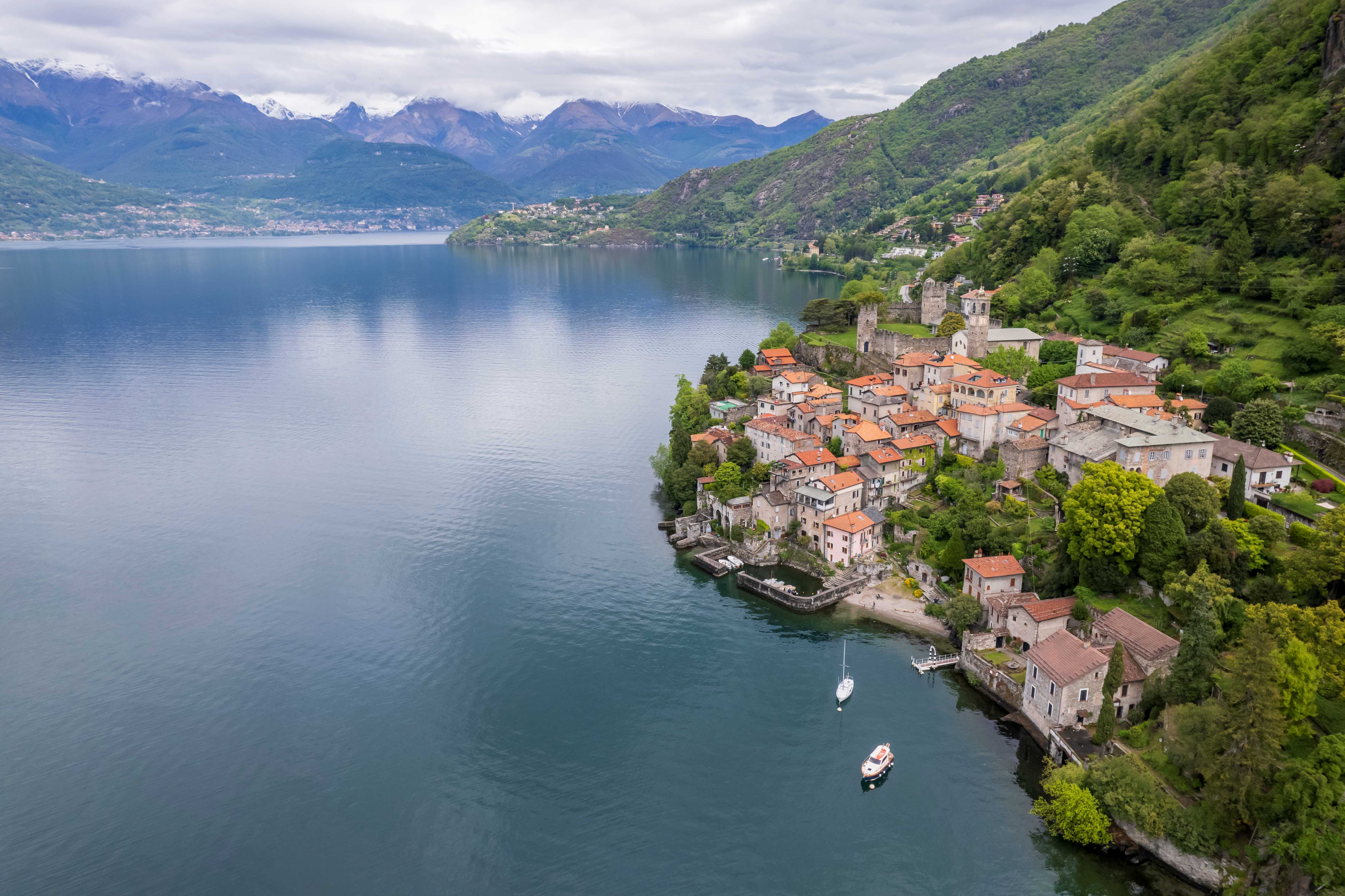
The castle watched over the lake while narrow lanes, high walls and steep staircases made the village easier to defend than to enter. Even today, there is no broad avenue leading to its centre. The village is reached almost entirely by steps.
The church still stands beside the castle, while the medieval tombs of the Andreani family remain close by. Nothing in Corenno Plinio feels accidental. Every wall, passage and turn had a purpose long before it became picturesque.
Look Closer
As you walk through the village, notice how often the lanes narrow, climb or change direction. Corenno Plinio was not designed to offer an easy route through.
It was designed to make the people inside its walls feel safe.
MOLTRASIOThe Village That Built Lake Como
Moltrasio is easy to admire for its villas and waterfront, but much of its influence began higher up the mountain.
For centuries, the quarries above the village produced Pietra Moltrasina, a distinctive grey limestone that became one of the lake's defining building materials. It was used for churches, walls, fountains, steps and waterfronts, travelling by boat to towns and villages along both shores.
Much of Lake Como was therefore built, at least in part, with stone that came from Moltrasio. The village did not only shape its own shoreline. It quietly helped shape many others.
Look Closer
Once you recognise Pietra Moltrasina, you begin to notice it throughout the lake. Look at the grey stone beneath your feet, around an old fountain or along the wall of a church.
What appears to belong entirely to another village may have begun its journey in Moltrasio.
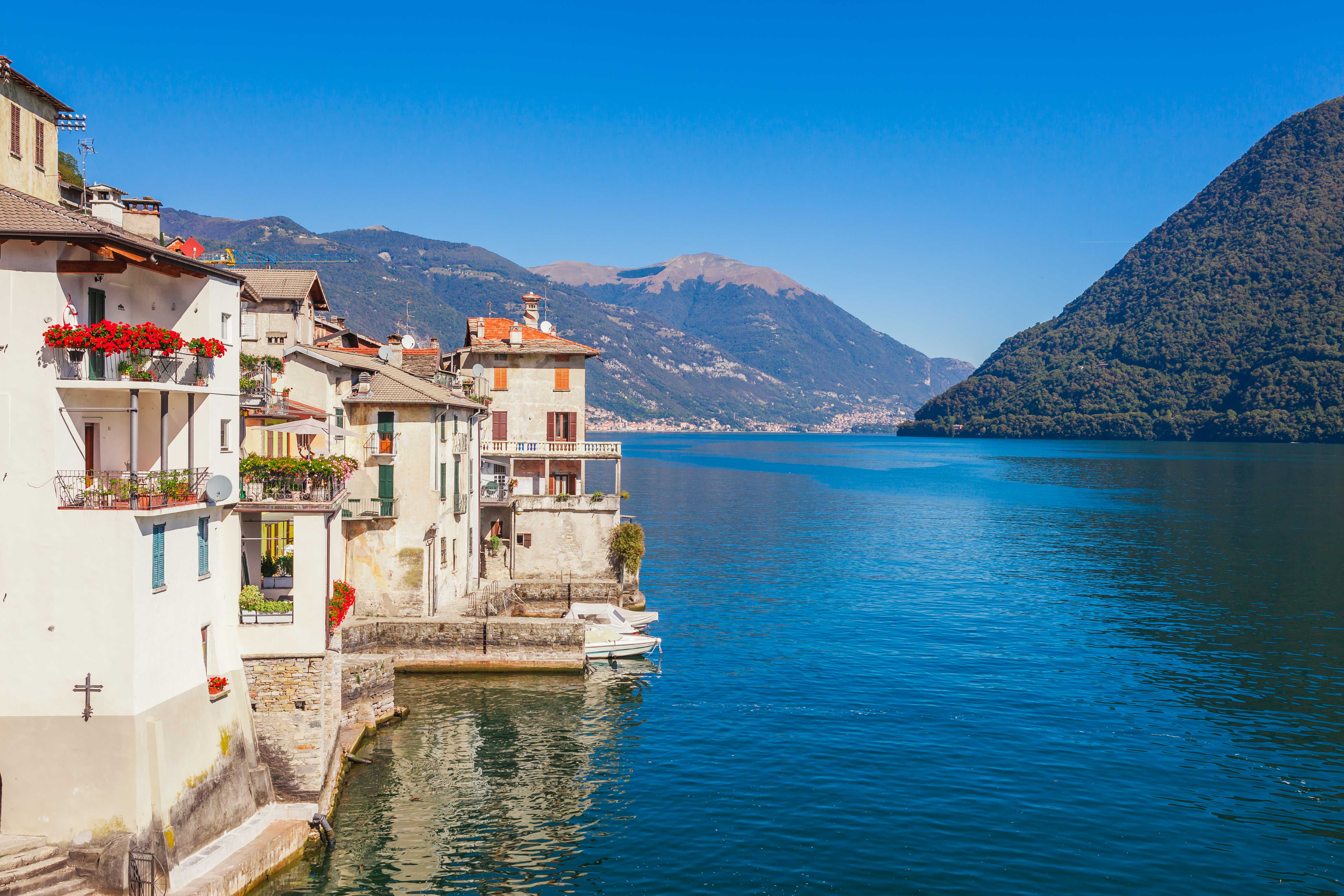
BRIENNOThe Village That Had Nowhere Else to Go
Brienno never had the luxury of growing outwards.
With the mountain rising sharply behind it and the lake immediately in front, the village had only one choice: to grow into itself. Houses were built closely together, while lanes slipped beneath buildings, doubled back unexpectedly and opened onto narrow views of the water.
Visitors often describe Brienno as a maze, but it was never intended to be one. It was simply built to survive within the small amount of space available.
For centuries, the village guarded one of the lake's important routes. Its narrow streets still carry the character of a place where every corner and passage had to earn its place.
Look Closer
Walk without a map and pay attention to how the village reveals itself. A dark passage may open onto the lake, while a staircase that appears to lead nowhere may bring you to another row of houses.
Brienno makes more sense one corner at a time.
NESSOThe Village Built by a Waterfall
Long before visitors came to Nesso in search of photographs, people came because of the water.
The Orrido di Nesso is more than a dramatic gorge. For centuries, its force powered mills and workshops, turning moving water into work and providing livelihoods for the people who lived around it.
The Ponte della Civera was never built simply to frame a perfect view. It allowed one side of the village to reach the other, crossing the gorge where the water divided the community.
Even Alfred Hitchcock recognised something cinematic here, filming scenes for The Pleasure Garden almost a century ago. The waterfall catches the eye, but the village around it explains why the water has always mattered.
Look Closer
Pause before taking a photograph and listen for a moment. The sound beneath the bridge once powered mills, supported workshops and shaped the working life of the village.
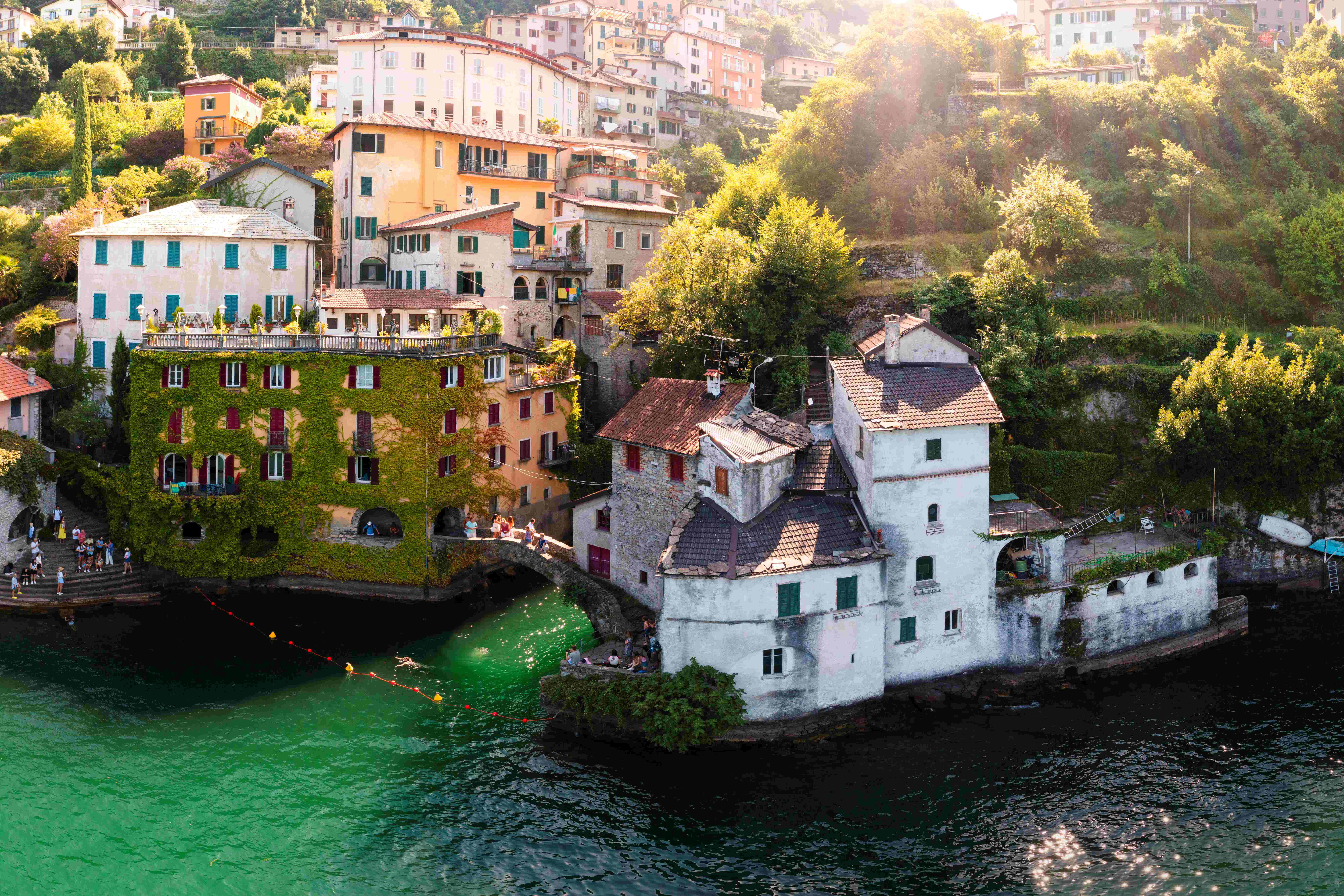
In Nesso, the waterfall was never only scenery.