
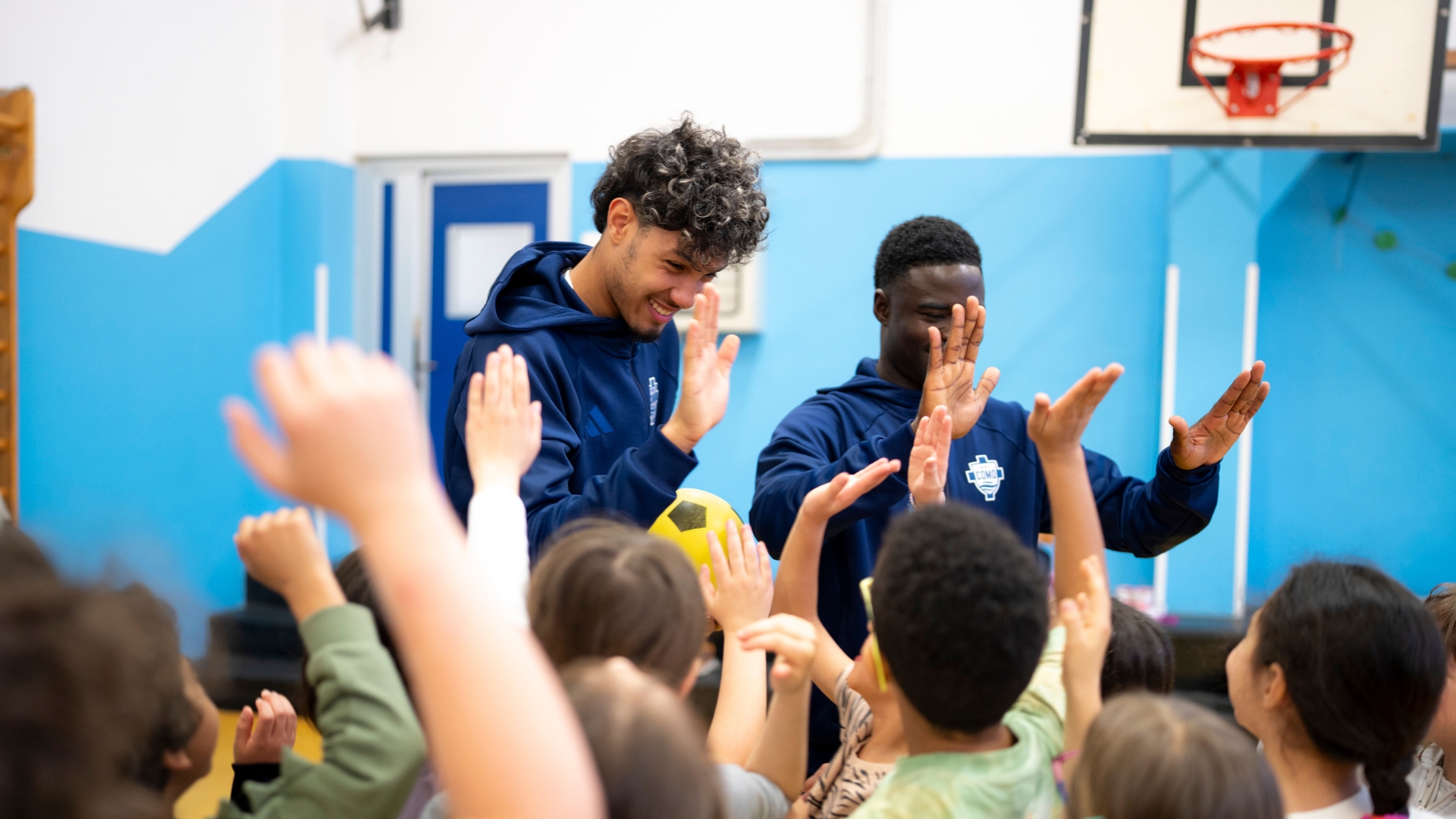
For the third consecutive season, Como 1907 is entering local classrooms with the Piscinin Project, bringing the expertise of its coaches to primary school students across the territory.
The initiative has grown significantly. From just three pilot classes in its first edition, the project now involves 30 classes and more than 500 children. It is a path that continues to expand while keeping one idea at its centre. Football can be more than a sport. It can be a way to learn.
Conceived by Giancarlo Centi, Head of the Youth Sector, the Piscinin Project is an integrated programme where theory and practice meet. Como's technical staff work closely with teachers to connect physical activity with academic subjects, turning each lesson into an educational experience.
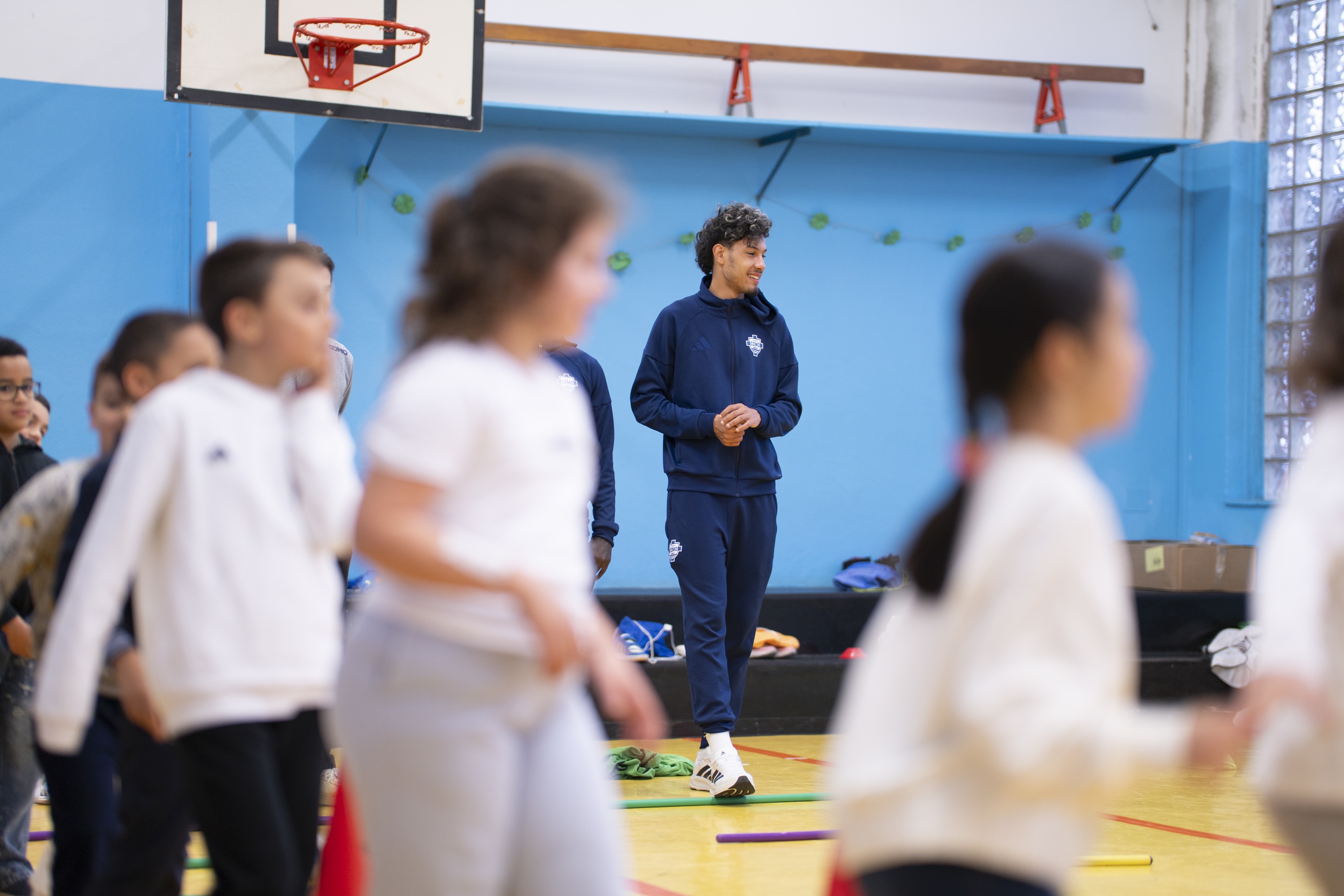
The long term goal is ambitious. To give teachers and schools a toolkit of skills and games they can continue to use independently after the project concludes. In this way, the work does not end when the Club leaves the classroom. It becomes something schools can carry forward.
This year, the project took another step by involving not only schoolchildren, but also players from Como 1907's Primavera and Under 17 teams.
Mattia Belluzzi, Head of the Youth Sector's Psychological Area, together with Emmanuel Rossi explains the value of involving the young Biancoblù players.
"Through this project, we discovered sides of our athletes that hadn't emerged in the daily routine of training on the pitch, and they have acquired skills that are useful not only for their future but also for life in the locker room with their teammates."
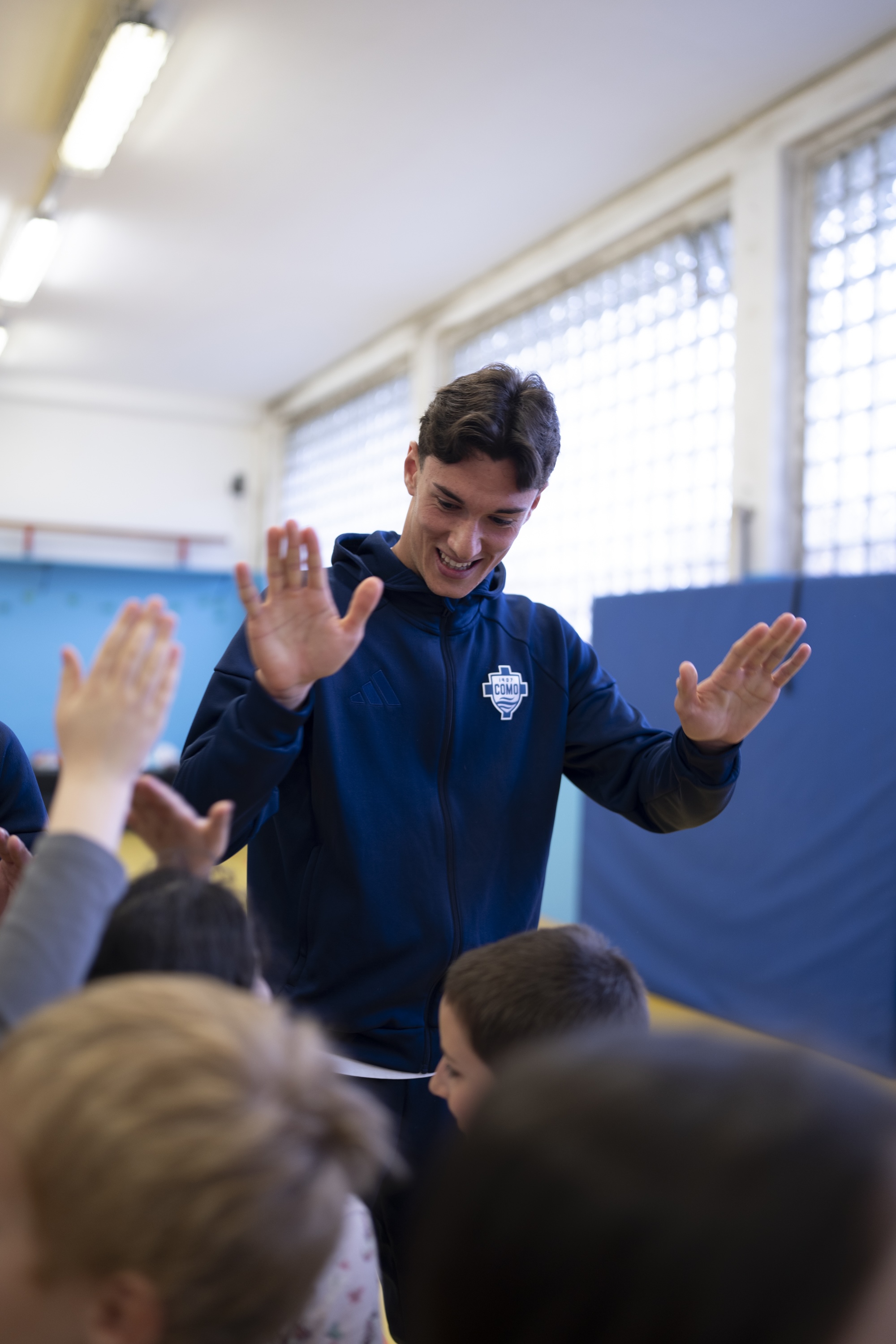
This development is part of a wider path within the Youth Sector, aimed at supporting the growth of these young men not only as footballers, but first of all as people.
Stepping outside their comfort zone, entering a classroom, and connecting with children and the local community are important parts of that journey. In this setting, football becomes a way to practise communication, listening, organisation, responsibility, and care.
"Preparation for classroom involvement begins with the co-design of a lesson alongside a coach. This process allows the players to develop fundamental skills, such as managing game moments, focusing on safety, the value of inclusion, and activity organisation. Once in the classroom, enriching the experience with their unique perspective, they succeeded in creating moments of genuine fun."
The value of the project lives in this exchange. On one side are the children, learning through play and movement. On the other are young footballers, discovering a different way to represent the Club and the community around them.
Looking to the future, the intention is to make this bond even stronger and more continuous.
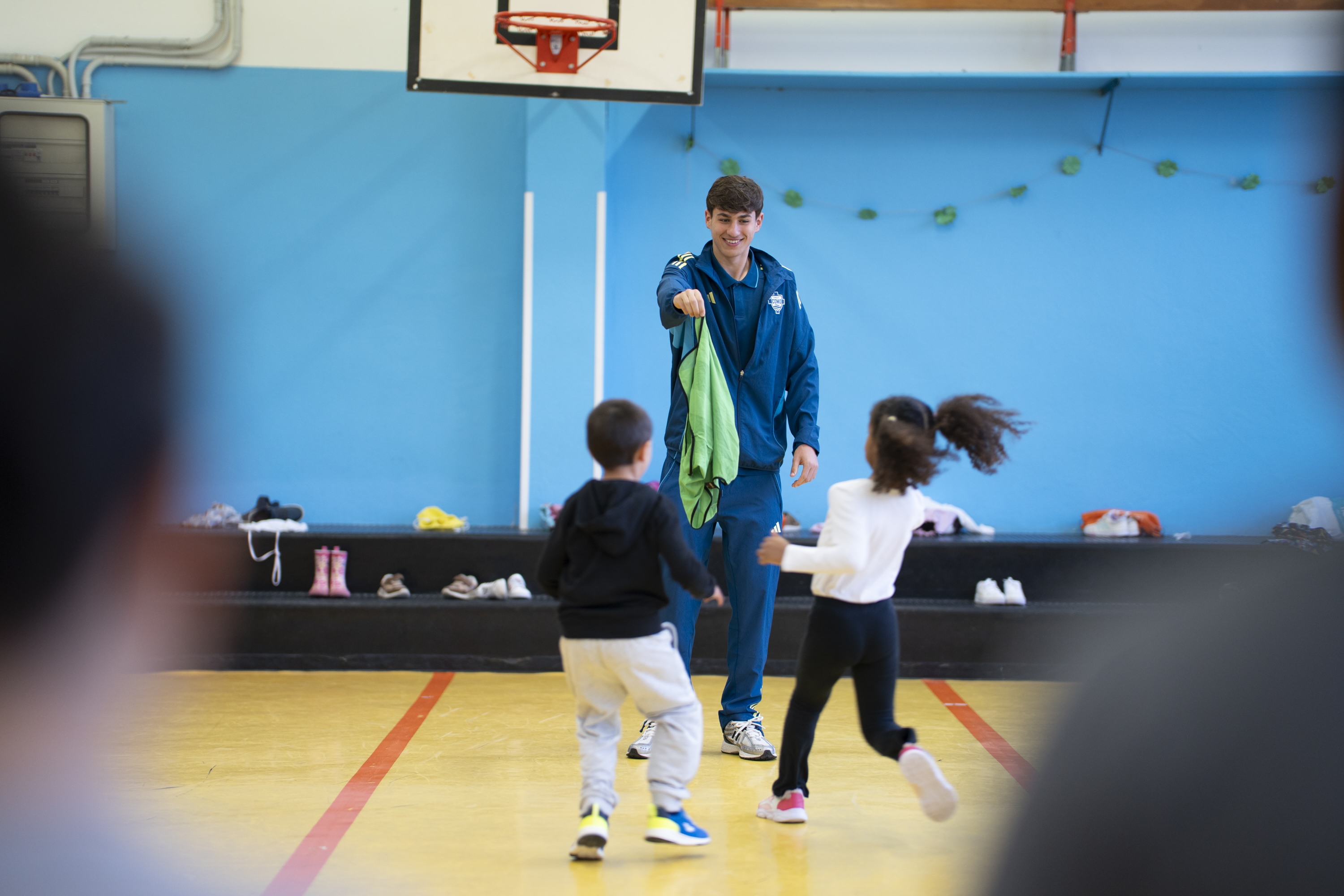
"Our intention," Belluzzi concludes, "is to make the athletes' participation in schools even more continuous from the very start of the season, further expanding the network of schools involved."
A special thank you goes to the young protagonists of the Youth Sector who helped turn this vision into reality, sharing their enthusiasm, time, and energy with the children. Adam Asfour, Lorenzo Bonsignori, Edoardo Franzosi, Lorenzo Candido, Miguel da Silva, Levente Botse, Alex Amadio, Thomas Boccia, Cristiano De Paoli, Nicolò Bensi, and Pedro Demiddi.
Discover more about the Piscinin Project on https://comofootball.com/en/como-1907-brings-physical-education-to-primary-schools/