
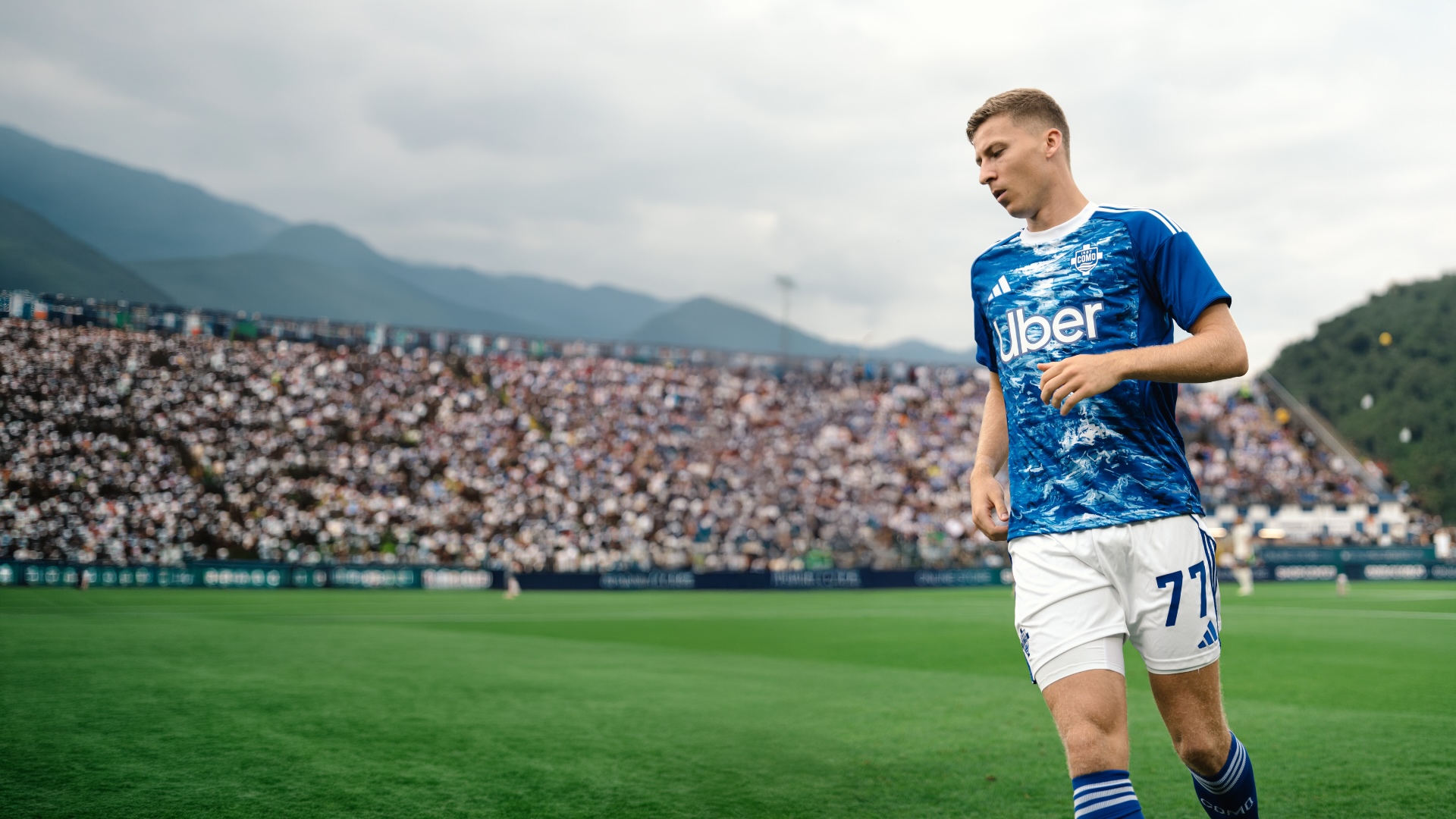
Ignace Van der Brempt arrived at Como with a football education that already stretched beyond his years. Developed at Club Brugge, shaped in Austria with Salzburg and sharpened in Germany with Hamburg, he joined the club in summer 2024 with experience of different systems, different expectations and different ways of living the game.
Cesc Fàbregas valued his physicality and versatility, whether at right back or in the centre, and Van der Brempt has approached life at Como in much the same way he approaches football, with calm, intelligence and a willingness to adapt.
That is part of what makes him such an interesting player to speak to. The modern full back is asked to do almost everything. Defend deep, step into midfield, cover space, carry the ball forward, recover shape. Van der Brempt talks about the role with the calm clarity of someone who has already had to adjust more than once. Spend enough time moving between countries, dressing rooms and football cultures, and you either become fixed in your habits or you learn how to move with change. His story is very much the second.
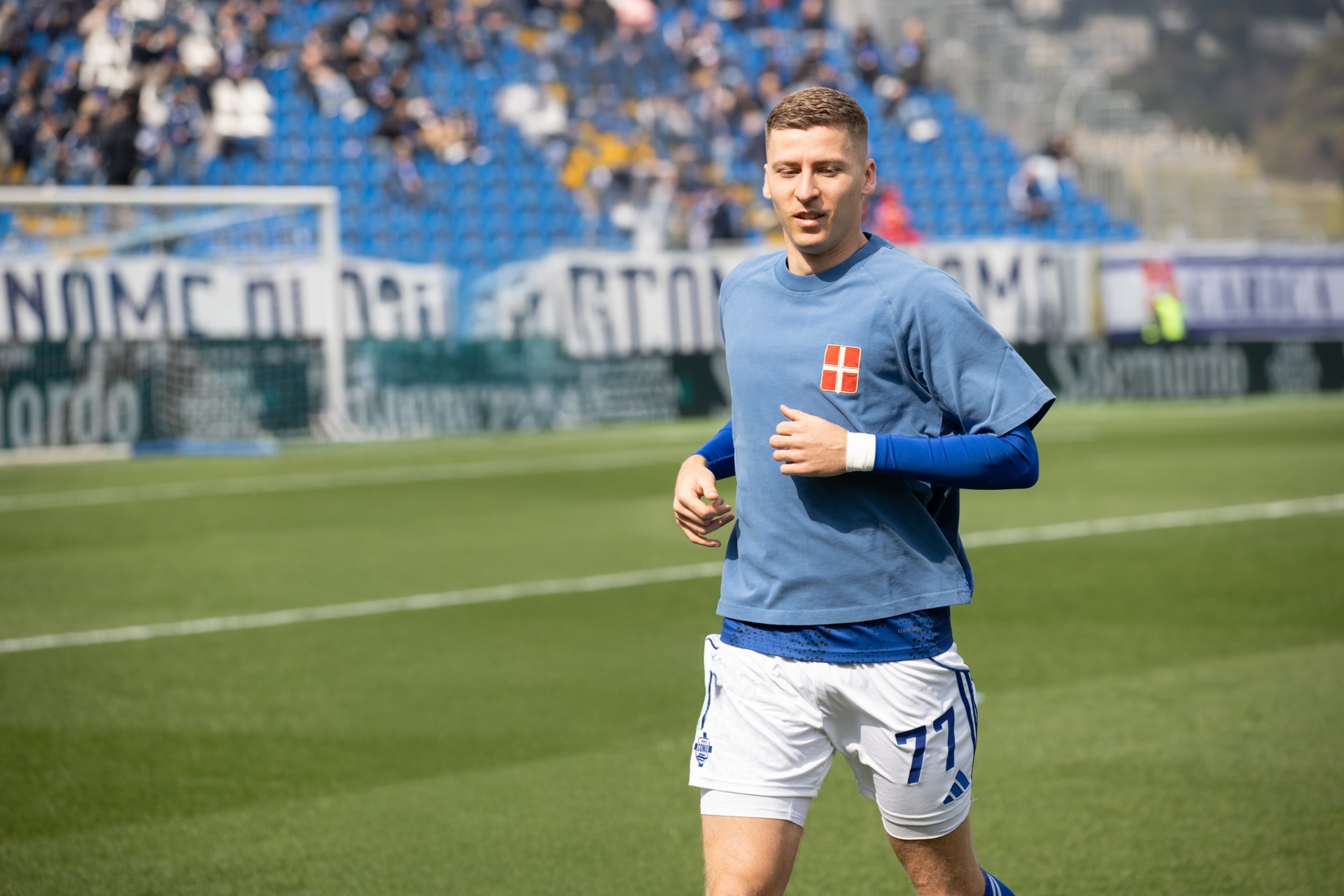
“Living in different football cultures changes you a lot. Every country has a different rhythm, a different way of thinking about the game and about life. As a player you learn to adapt tactically, physically, even mentally, but as a person it teaches you openness. You meet new people, new languages, new ways of seeing things. It makes you more flexible and more grateful for every experience”.
Italy had lived in his imagination long before it became reality. Not only as a league he admired, but as a place he already associated with atmosphere, warmth and memory.
“Before I came here, I played with Bruges the Viareggio Cup and from that moment I was really like ‘Whoa, Italy was really nice, the food was really good’. And then from that moment I always wanted to play in Italy.”
It is a telling answer because Van der Brempt does not separate football from the feel of a place. He talks about the game, but also about food, atmosphere and belonging. For players who leave home young, settling is rarely just about tactics. It is about whether a city allows you to breathe. In Como, with the lake beside the stadium and a sense of calm built into the landscape, he seems to have found somewhere that fits.
“Yes, when I knew I would come to Como, I was very excited to see the lake. And then the first time when you come here, you see the stadium, you see the lake... it’s really something special. I was convinced that this was the right place to be and that I could grow as a player. And yeah, it’s working well”.
When he talks about football and his role, he talks about balance, timing and intelligence.
“For me, the balance between defending and attacking is what I like. I think I enjoy my defensive side reading the game, winning duels, making tackles, but also helping the team move forward. I think the modern full backs need a lot of energy and intelligence because you are constantly switching roles during the match”.
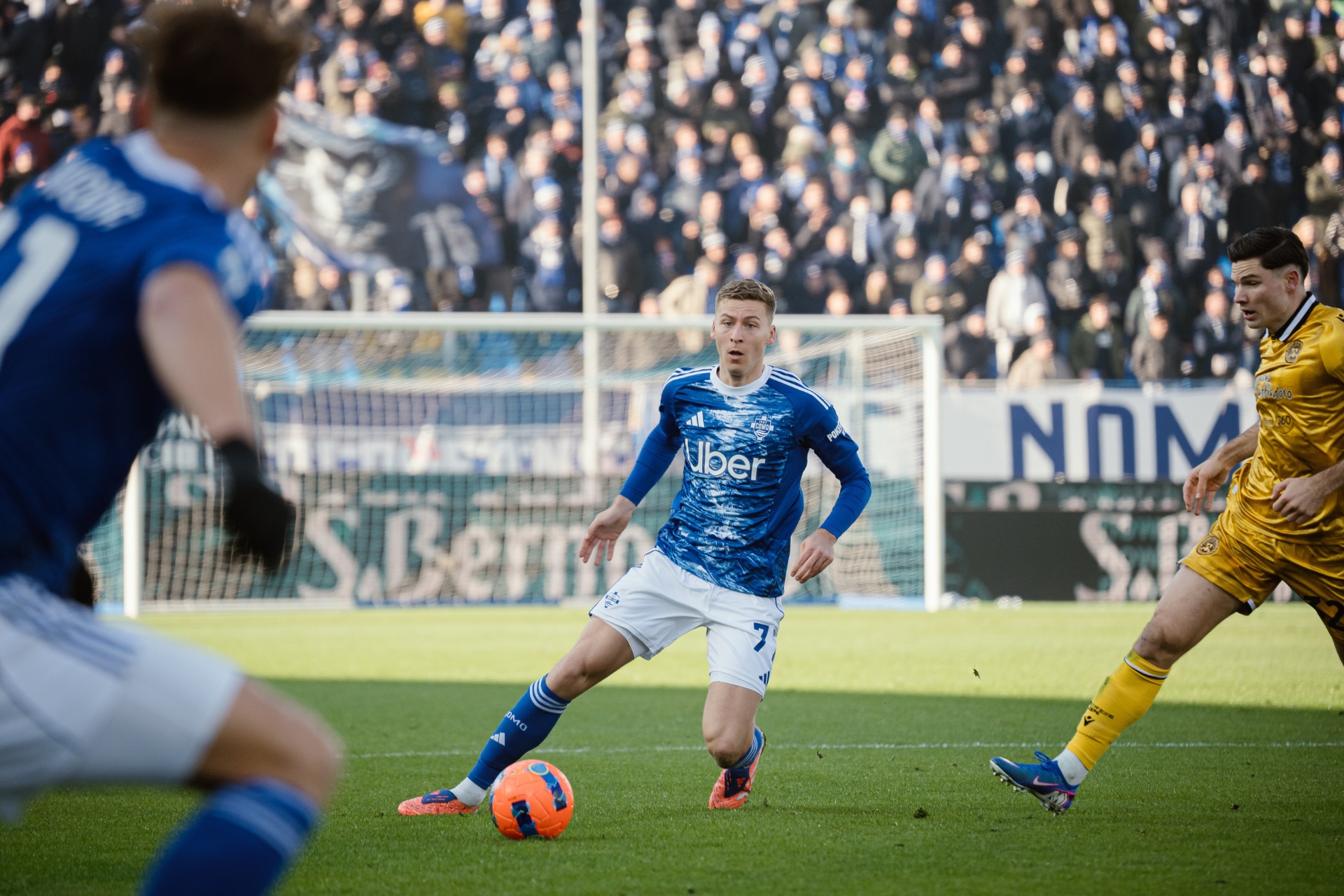
That idea of constantly switching roles feels like a neat way of understanding his career too. Belgium gave him one football language. Austria challenged it. Germany added another layer. Each move asked him to adapt.
“I think what changed me the most in football, it was my first experience in Austria. Because as a young player you grow up in Belgium and there you are taught something in one way and you think in your head ‘it’s not possible the other way’. And then you come to another place, a different culture, a different mentality, and then you see that, yeah, there is a different way. And, for me, that was a little bit difficult to adapt the first time, to know that, yeah, and to believe that there are different ways to play football. So this was the hardest for me. And which changed my life.”
There is maturity in that honesty. Van der Brempt does not try to make adaptation sound neat or glamorous. He describes it as it really is, difficult at first, then slowly rewarding. The same directness comes through when he talks about how he settles somewhere new. Not through routine or familiarity, but through food.
“I think the first thing I do is like eating the traditional dishes. I think if you go to the country that you need to learn the culture and I think with the food I always start to adapt. So when I was in Austria, the first thing I ate was a Schnitzel and then in Italy it was a pizza and a pasta and tiramisu. So I think it’s the first thing you do when you come to a new country. You’re living the first weeks in the hotel, so I think the food is important”.
It feels fitting at Como, a place where surroundings matter and where life off the pitch is part of the wider experience. Even his style reflects that sense of place.
“I think my fashion style it’s classic, nothing special. I like to dress well. When we have a party or I go out for dinner, I like to dress well. I like the Italian style... it’s nice how the people dress here.”
Classic, nothing special, he says, and that is part of the appeal. There is no effort to overstate who he is. The same applies on the pitch, where his deepest satisfaction still comes from the basics of defending well.
“I get a lot of satisfaction if I win my duels, if I take the ball from my opponent, that he has a difficult game and, if we have a clean sheet, it always feels really nice. And then after, if I do my defensive things, I like to go forward, to give crosses, to make actions in front, to also help the team to score a goal.”
Away from football, he sounds much the same as he does on it. Rest matters, but only for a while. Then the urge to move again returns.
“My ideal holiday starts quite for sure after the season. You need to rest also, so the first three weeks I do really nothing, I just enjoy the sun with my family, with my friends. And then at the end of the holidays I like to do some more things, and to play football again, because after some weeks you miss it. And then to be ready also for the next season. So yeah, first I do it quite on the beach, easy, and then after I like to work also in the off season to be ready for the next season.”
That may be the thread running through him. Calm, but not stillness. Comfort, but never complacency. He enjoys where he is, but he is always looking ahead. Ask what says most about him away from football and the answer returns to the decisions that have shaped everything.
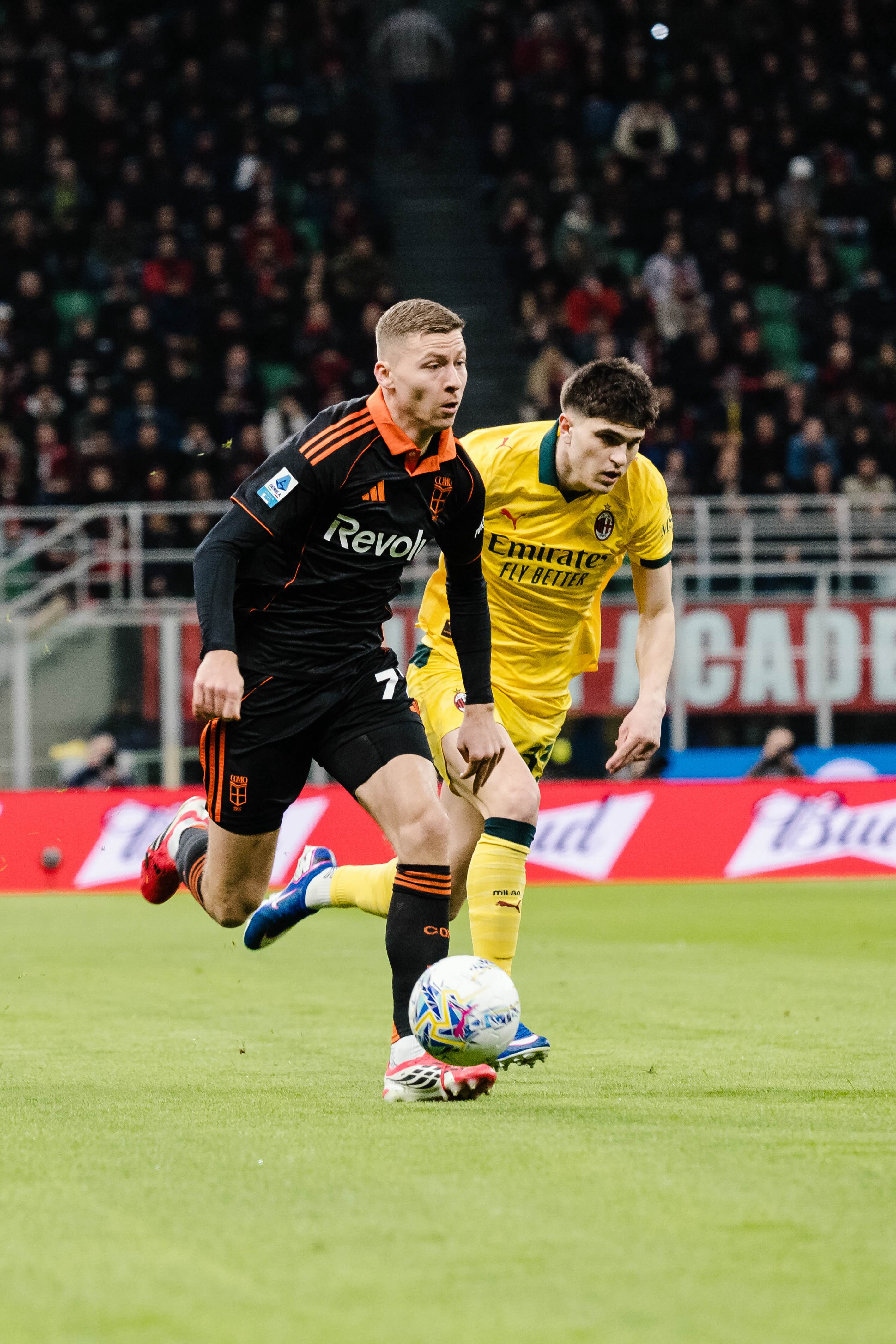
“I think that I’m ambitious and I dare to take some risks, to take my own decisions like leaving my country when I was young and going to different places, it made me the man who I am now. My family and how I treat them, it’s really important, and my girlfriend and also my teammates. I think it’s really important for me and I’m just a nice guy and I want to be good for everybody and to help everybody and to be the best on the pitch.”
That feels like the key to him. Ignace Van der Brempt came to Italy because it was a dream, but he has stayed open to everything that dream demands. At Como, that makes him feel well placed, not just as a defender, but as someone still growing into the player and person he wants to become.