
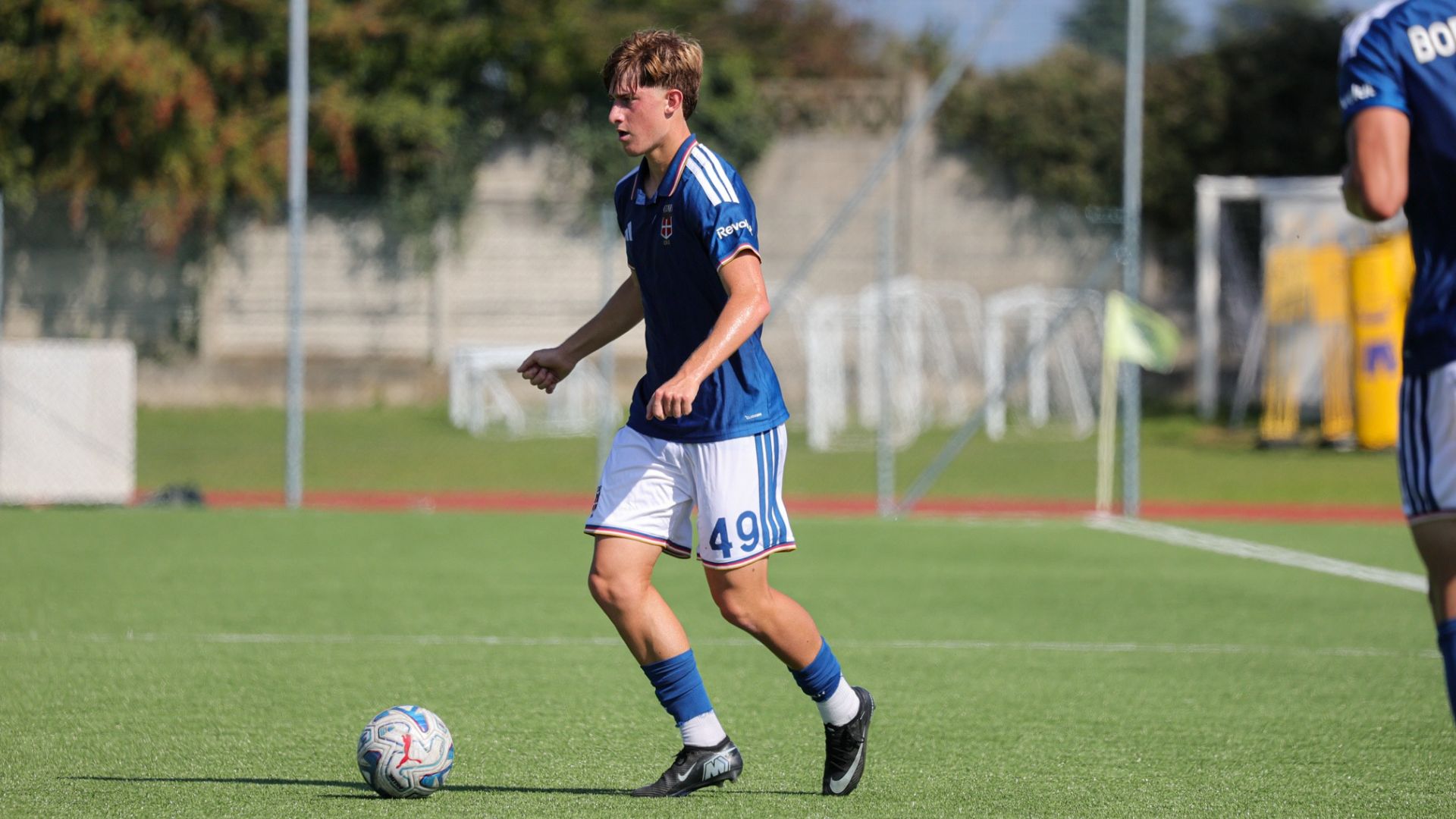
When a young Como player encounters a tactical problem, the coach’s first response is often a question. The answer matters, but so does how the player arrives at it. At the Academy, learning to read the game is part of the work from the start.
Osian Roberts, Como 1907’s Head of Development, explains the thinking. "We identify the players we believe are worth investing in. When our young players face a tactical problem, our coaches don’t immediately give them the solution. Instead, they encourage them to work it out by asking questions. Asking questions rather than constantly providing answers is fundamental to our approach. Players improve when they face difficulties. That’s our philosophy: we want to develop thinking footballers."
It is an approach that puts responsibility in the player’s hands. A coach can help a young footballer understand a situation in training; in a match, the decision has to be made on the pitch. Recognising what is happening, choosing a response and having the confidence to try it are skills to develop alongside passing, defending and finishing.
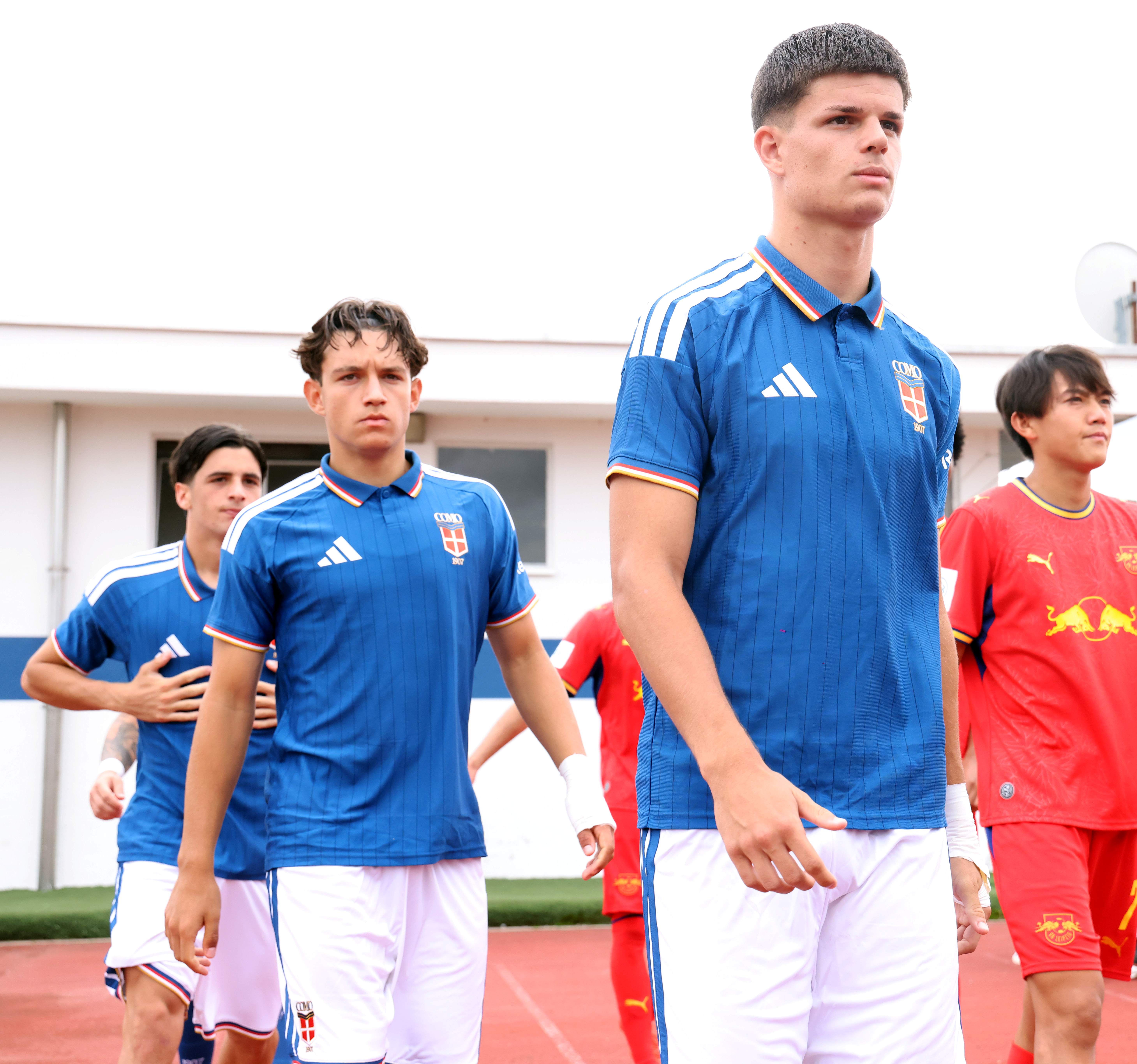
The longer-term aim is clear. "This is our challenge now: to create a core group of Italian players who can one day play for the first team. We believe in developing young Italian talent," says Roberts. Finding those players is only the beginning. The work continues through the coaching and individual support they receive once they arrive.
During the October 2026 international break, seven Como players were called up by Italy’s youth teams. Baralla, Broggian and De Paoli joined the Under-19s; Albini, Cassano and Tigano the Under-18s; and Vischi the Under-17s. Only two had previously been involved with Italy’s youth national teams before joining Como.
Across those three age groups, Atalanta, Inter, Juventus and Roma were the only clubs with more call-ups. For the young players, selection brings the chance to train with a different group and represent their country. For the Academy, it is an encouraging indication that the work is being recognised beyond the club.
Davide Facchin, Head of Como’s Primavera programme, describes how closely each player is followed. "Above all, we offer young players a project: a dominant, high-quality style of football that allows them to express themselves. It’s a philosophy that comes directly from Cesc Fàbregas. We invest heavily in individual development. Every player is monitored and supported by different departments, assessing five areas: technical, tactical, physical, athletic and behavioural. We also have a department that evaluates resilience, leadership and the ability to work within a team. If an issue emerges, we explore it by speaking with the player and their family. Whenever possible, we also use data and algorithms to provide objective assessments."
The family’s involvement is part of that individual attention. A difficulty may need a conversation as well as a coaching response, and the support extends to how a player deals with setbacks and works with the people around him. The aim is to understand the young person well enough to help him progress.
On the pitch, the connection to Fàbregas’s football gives that work a direction. The Academy and first team share an approach to playing, allowing youngsters to develop within a recognisable style as the demands on them increase. Understanding the game is central to that progression.
This season provides two new settings in which to test themselves. Following promotion at the end of 2025/26, the Primavera are playing in Italy’s top youth division and entering the UEFA Youth League for the first time. Domestic and European fixtures bring different opponents, with opportunities to take what they practise in training into competitive matches.
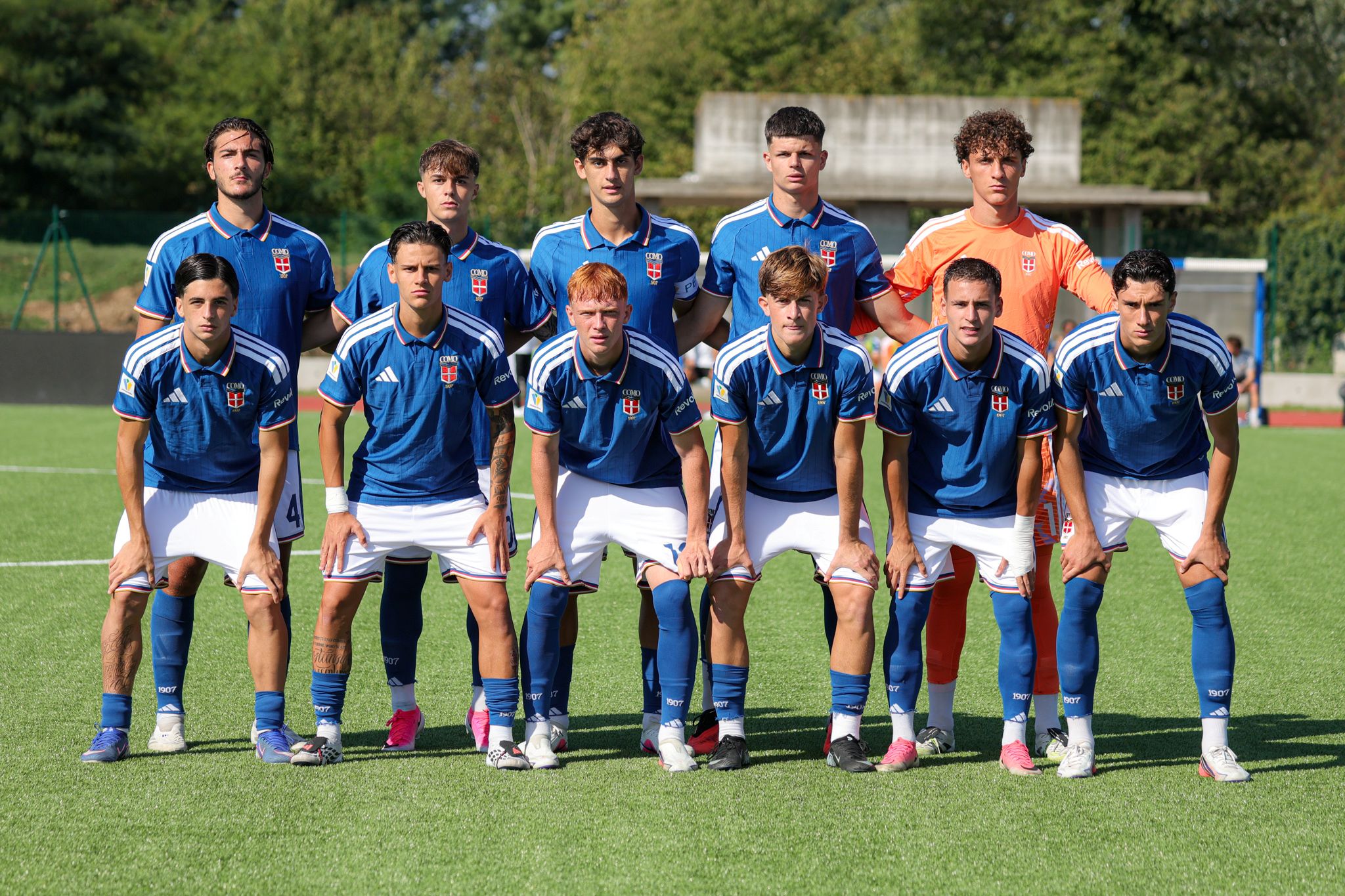
Before the October break, Gianluca Falsini named ten Italian players in the Primavera starting eleven against Bologna. The emphasis on Italian recruitment is deliberate, although finding and attracting those players takes work.
Facchin explains the brief behind that work: "It’s a clear request from Mirwan: we want to invest heavily in Italian players because we are an Italian club, and we need to build our roots within Italian football. The domestic market is challenging, both financially and because of the greater appeal of the biggest clubs. That’s why we try to identify talented players early and develop them according to our philosophy."
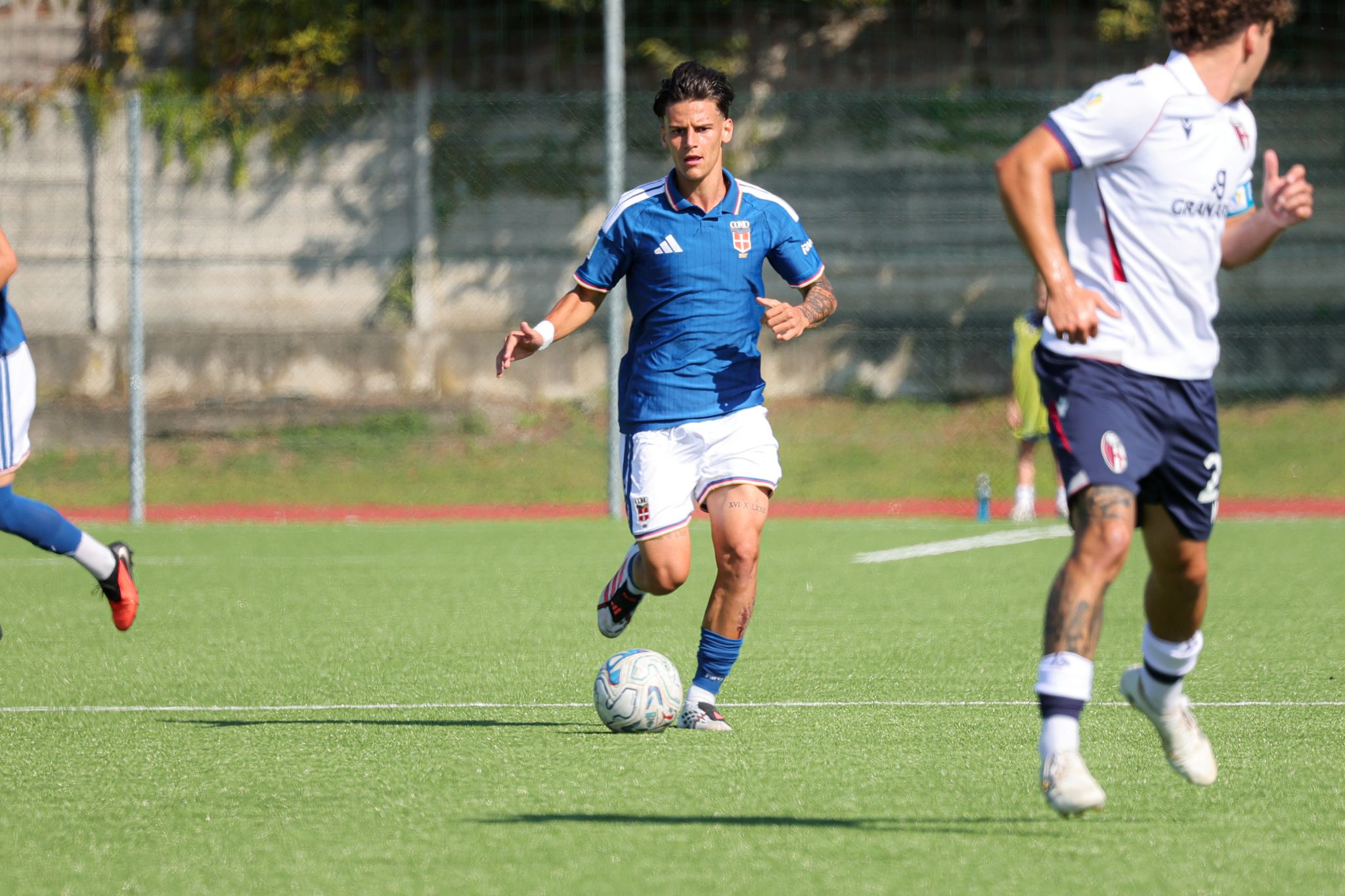
The ambition is shared by the ownership, Fàbregas and those working with the youngsters each day. An international outlook and investment in Italian players can sit alongside each other: the club wants young footballers to see a route forward at Como, with a clear understanding of what they will be asked to do.
Not everyone will reach the first team. That is a reality of youth development, and the Academy’s responsibility includes helping each player make the most of his ability, wherever his career leads. Technical progress matters, as do the confidence and judgement he takes with him.
The call-ups and new competitions are milestones along the way. Back at training, the work continues with the next situation to solve and a coach asking a question.