
At "Di piega in piega", a fold becomes the link between a factory process, a couture gown and a work of art. It is a good reason to look at Como’s silk heritage a little more closely.
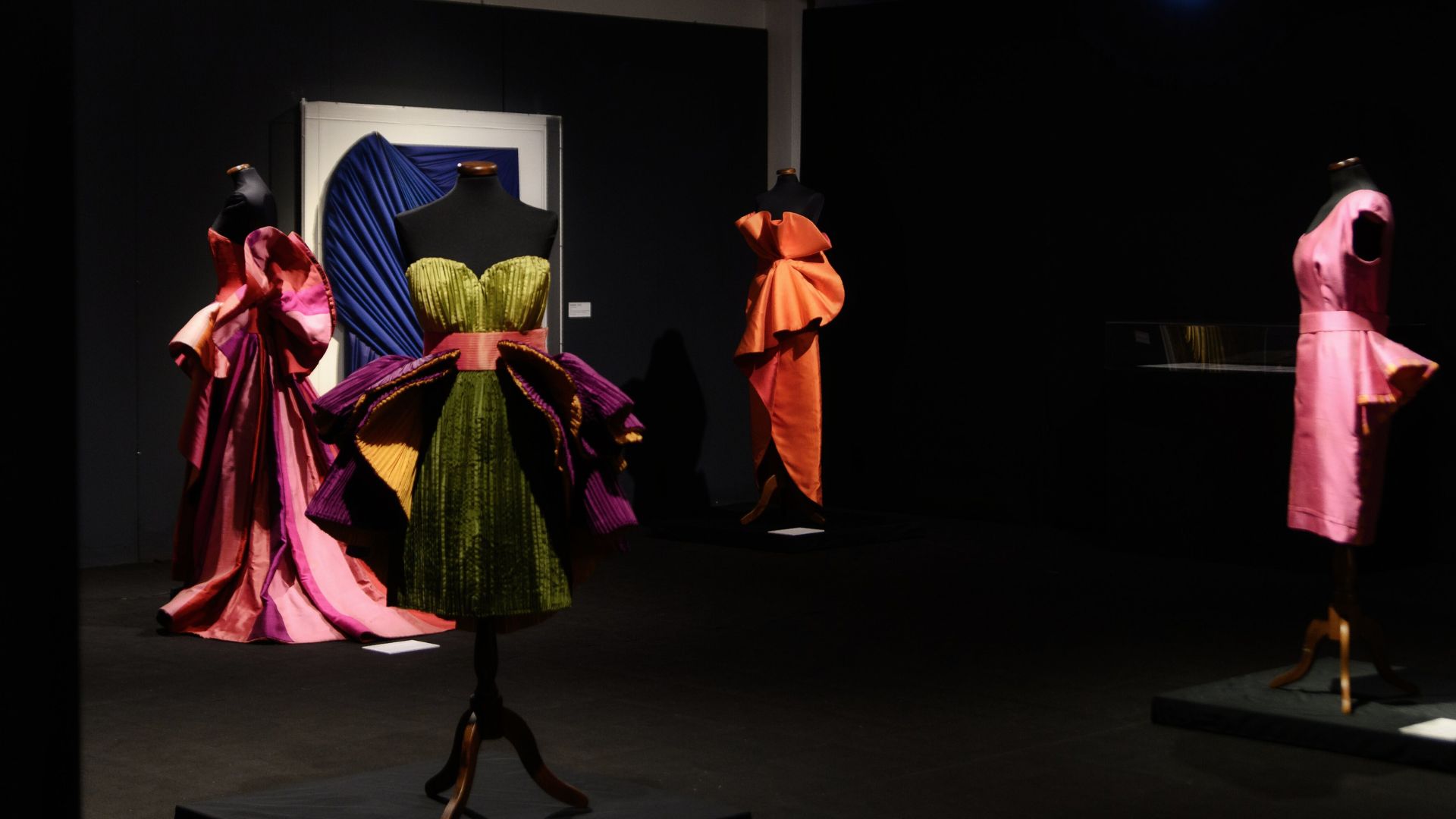
A dress can tell you quite a lot about a city, even when nobody is wearing it. At Como’s Museo della Seta, six creations by Roberto Capucci make the point through folds, colour and volume. Made between the late 1980s and early 1990s, they turn silk into something with the presence of sculpture. Looking at them, the question soon becomes: how does cloth do that?
That curiosity is a useful companion for "Di piega in piega. Il gesto tessile tra tecnica, moda e arte contemporanea", the museum’s exhibition running until 10 January 2027. The title translates as "from fold to fold", and the idea is pleasingly specific. Follow what happens when fabric is folded, and you begin to see the relationship between the person making it, the designer shaping it and the body that will eventually wear it.
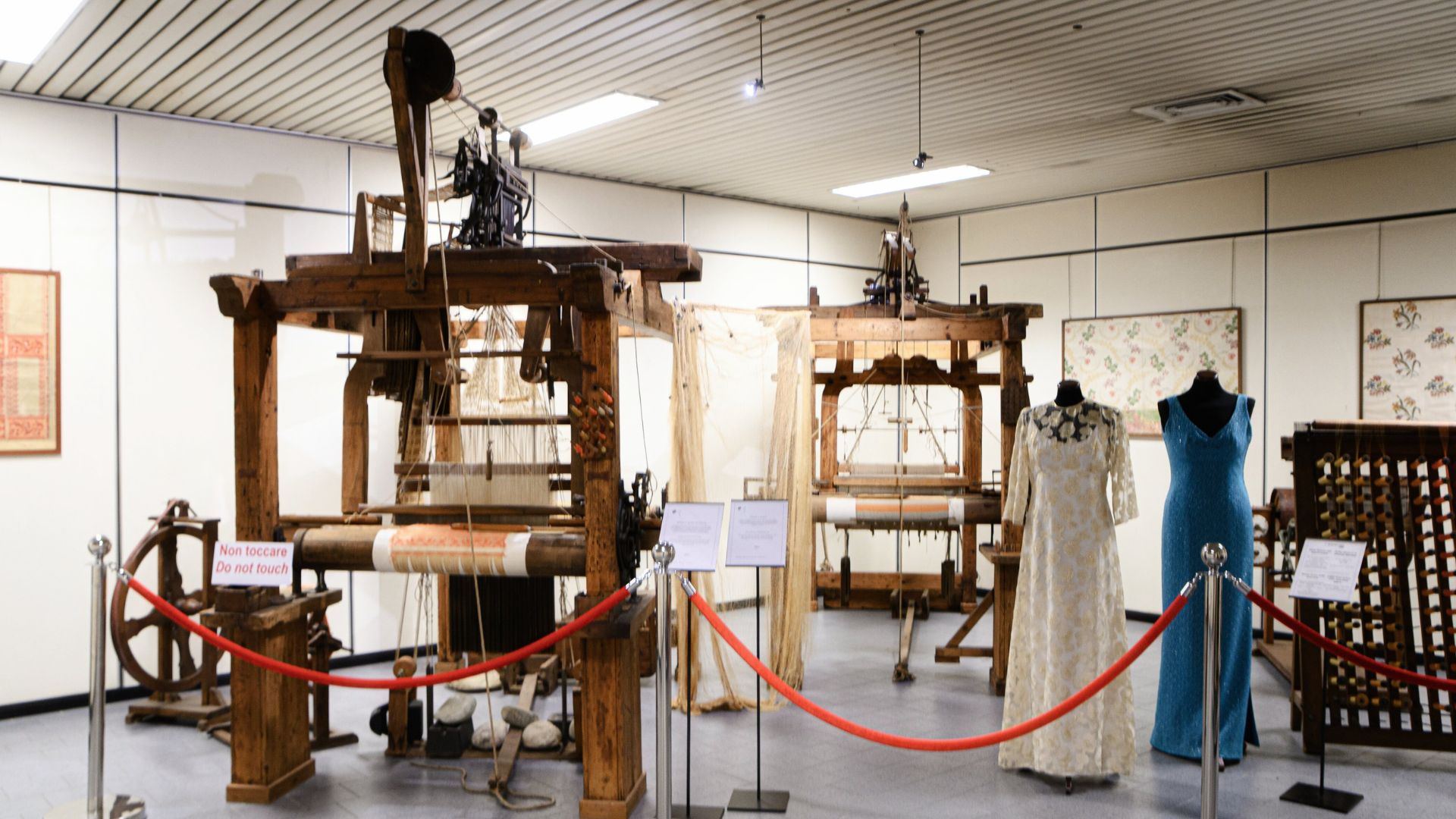
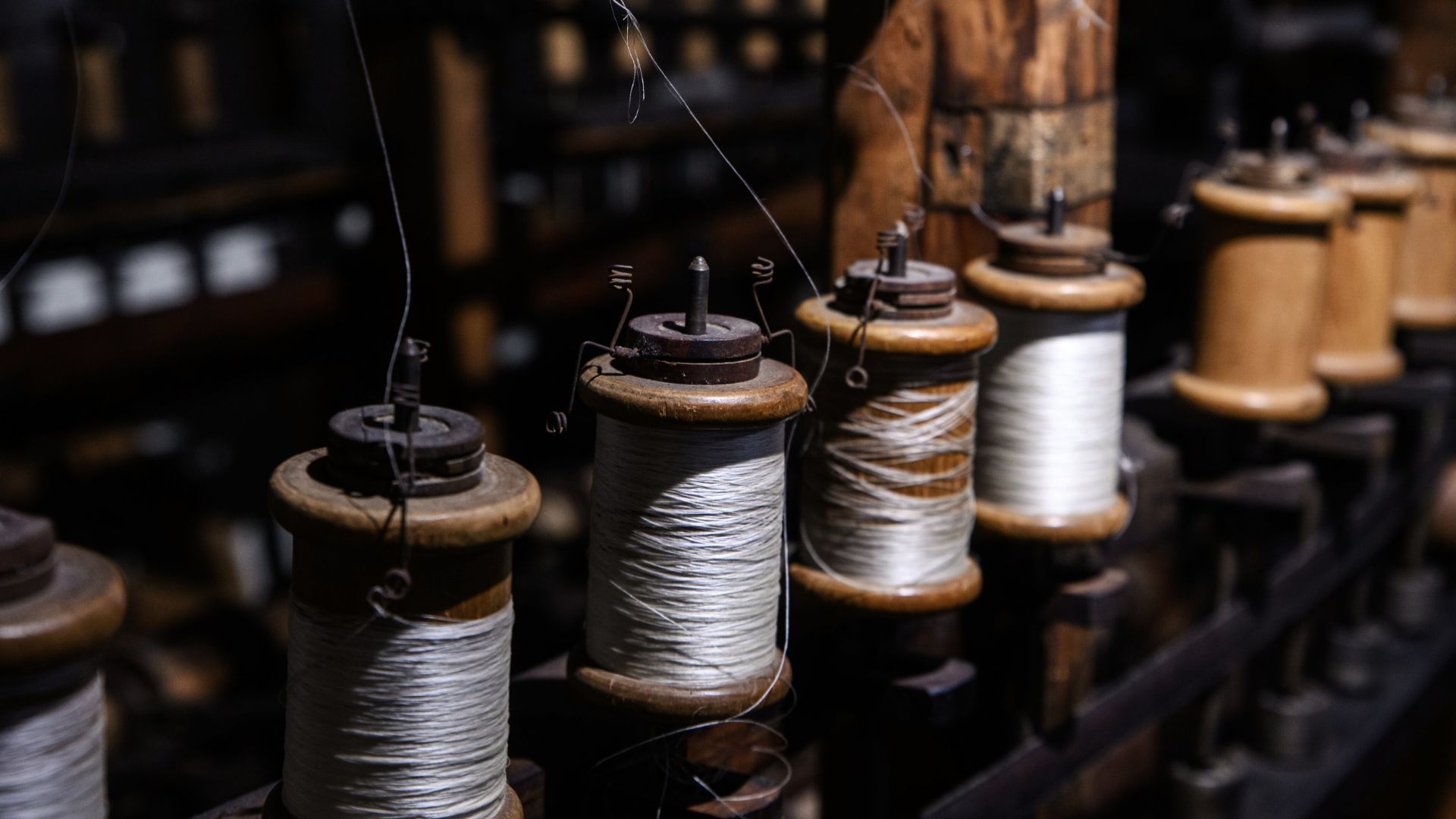
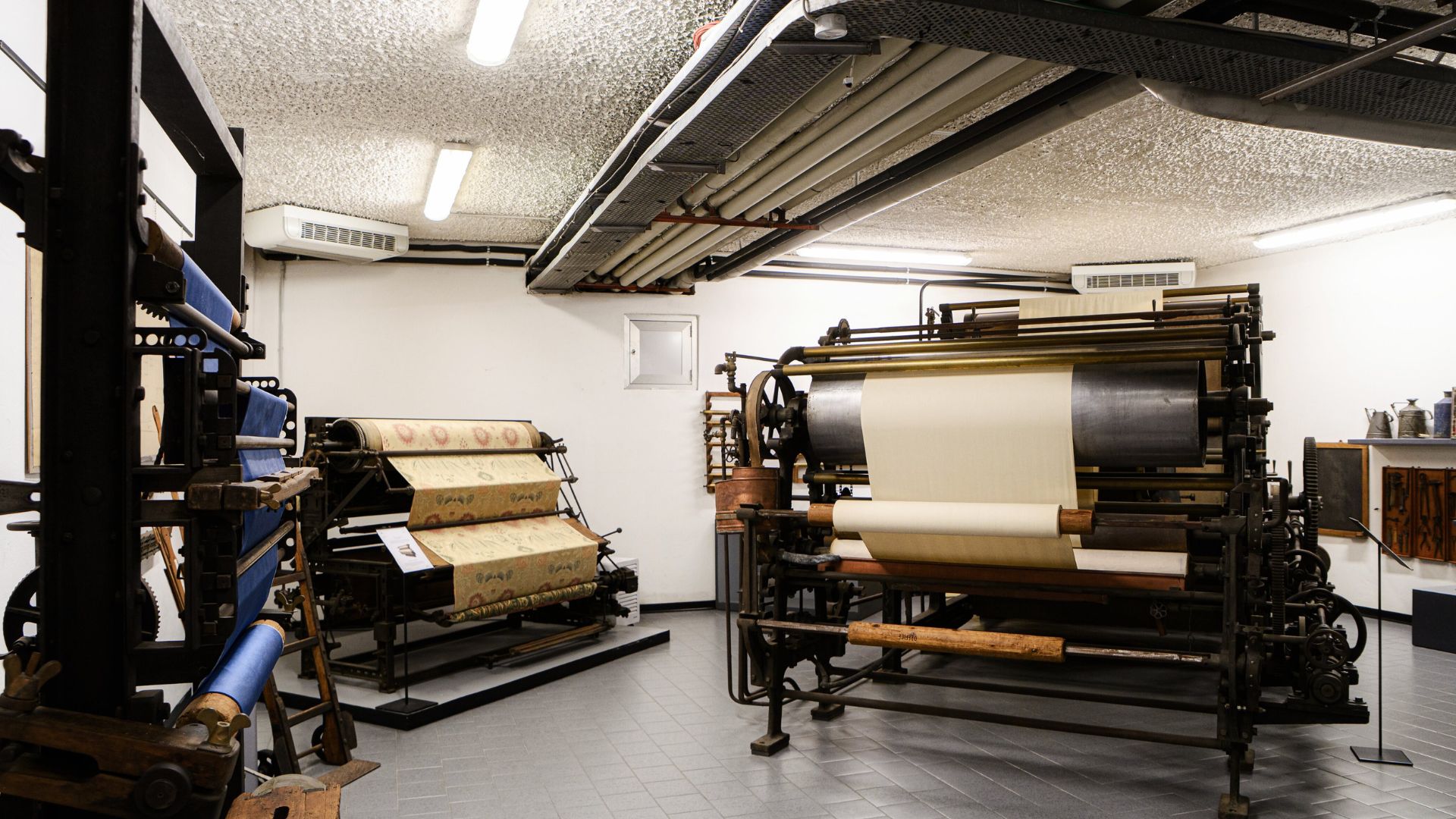
On Via Castelnuovo, away from the waterfront, the museum offers another way into Como. Its machinery, archive documents, sample books and working tools tell the story of a city whose relationship with fashion extends into the production of the material itself. Silk here has a history of skilled work, experimentation and technical decisions, long before anyone considers the finished outfit.
The exhibition begins with that work. Material from the museum’s archives and audiovisual contributions made with pleating specialist Omniapiega explore how folds are produced. A pleat may look effortless on a dress. Getting cloth to take and keep a particular shape requires knowledge of how the material behaves. Here, technique becomes part of what there is to admire. Look at the making, and the finished dress becomes more interesting.
Capucci’s six gowns, from the Roberta Noseda Droulers Collection and recently added to the museum’s holdings, give those ideas a different scale. In his hands, folding helps construct the garment’s shape. Silk acquires volume and direction; the dress takes up space around the body. The pleasure lies in tracing how its structure is achieved, following a fold rather than letting the eye pass over the whole.
There is a useful detail to seek out: a video performance made for the exhibition explores the clothes through movement. It brings the body back into the conversation. For all their sculptural qualities, these are creations with a relationship to someone moving inside them.
The fashion section also includes loans by Pierre Cardin and Romeo Gigli from the Archivio Loiacono, alongside garments from the Archivio Titta Porta, held at the museum. They broaden the view beyond one designer, inviting visitors to notice how different creative minds work with the possibilities of cloth.
By the time the exhibition reaches Umberto Mariani’s Forme Celate, the fold has become a subject in its own right. The Milanese artist has spent more than three decades investigating drapery. Seen alongside couture and manufacturing techniques, his work encourages the eye to linger on the surface: its rhythm, the suggestion of depth, the shapes made by light and shadow. A single fold connects the workshop, the wardrobe and the gallery.
This is where the exhibition earns its place in a day in Como. It gives a familiar material enough attention to make it unfamiliar again. You can arrive knowing little about couture or textile production and leave with something particular to look for, whether in a garment, an artwork or the fabric in a shop window.
The names on the labels draw you in, but the processes give the visit its local meaning. Como’s fashion story includes the people who developed, produced and worked with textiles, as well as the designers whose creations made them visible. The museum brings those contributions into the same frame.
Give yourself time for the archive material as well as the gowns. The machinery and samples help explain the decisions behind what you have just seen. They also offer a reason to venture beyond the lakefront: a closer understanding of something the city knows how to make.
Afterwards, look again at a pleat in your own clothes. It is a small detail to bring home from Como. You may find it harder to take for granted.