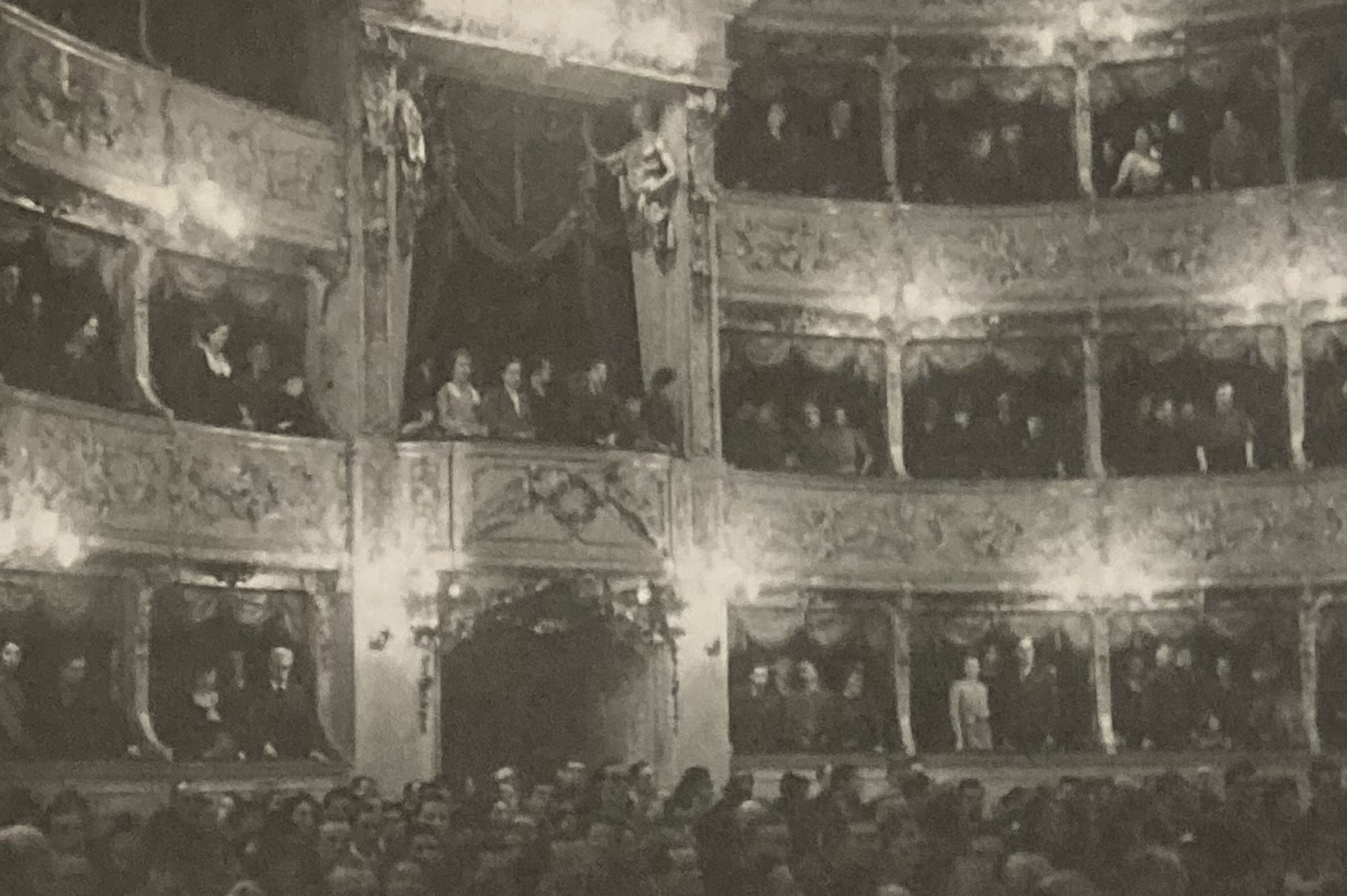
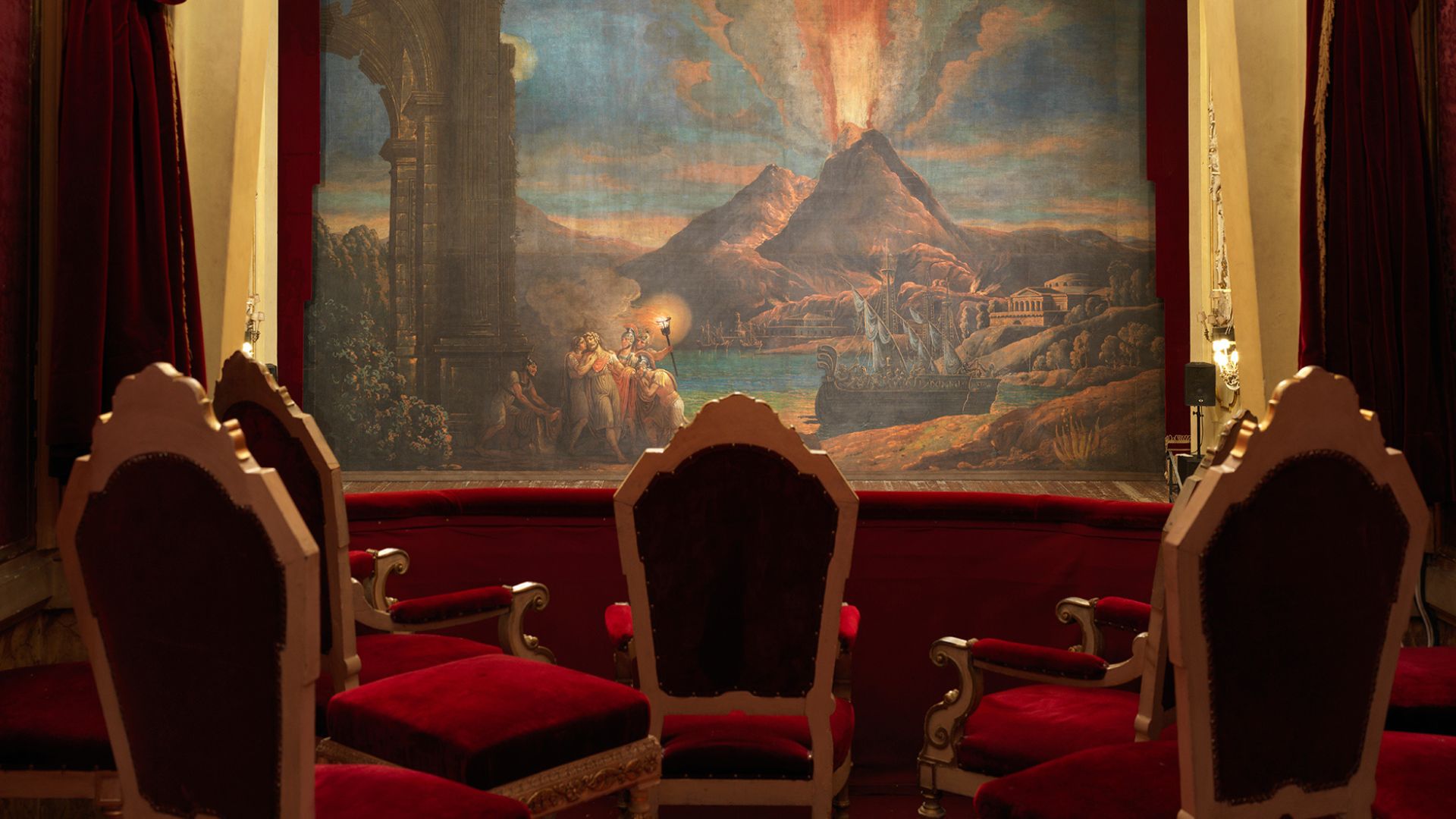
Between the Duomo and the Teatro Sociale, Piazza Verdi tells part of Como’s story almost without the need for words. Here, where one of the city’s most recognisable cultural landmarks stands today, there once rose the Castello della Torre Rotonda. At the beginning of the nineteenth century, as Como searched for a new home for its theatre, Alessandro Volta was not only the scientist known throughout Europe. He was also a citizen deeply connected to his city and its institutions.
Born in Como in 1745, Volta was educated here and taught in the city before moving to the University of Pavia. International fame, travel and encounters with some of the most important figures of his time never broke that bond. Como remained the place to which he returned: the city of his family, his relationships and his public life.
"Despite his international fame, he never severed his ties with his city. As a citizen, he took part in public life and took institutions seriously: I believe he felt that culture carried responsibilities towards the community, and that science should be useful to the people around him," says Paola Dubini, President of Fondazione Alessandro Volta.
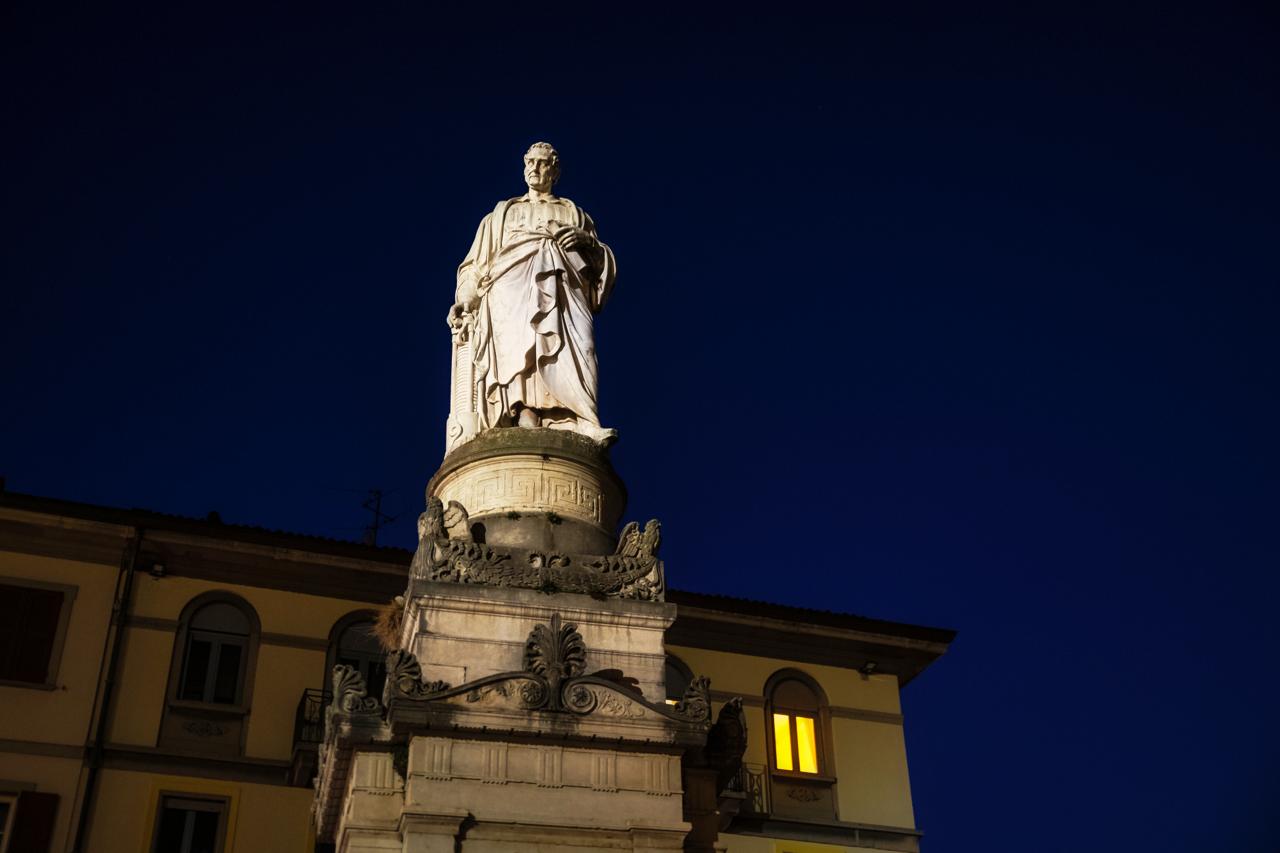
One concrete trace of this civic dimension can be found in the history of the Teatro Sociale itself.
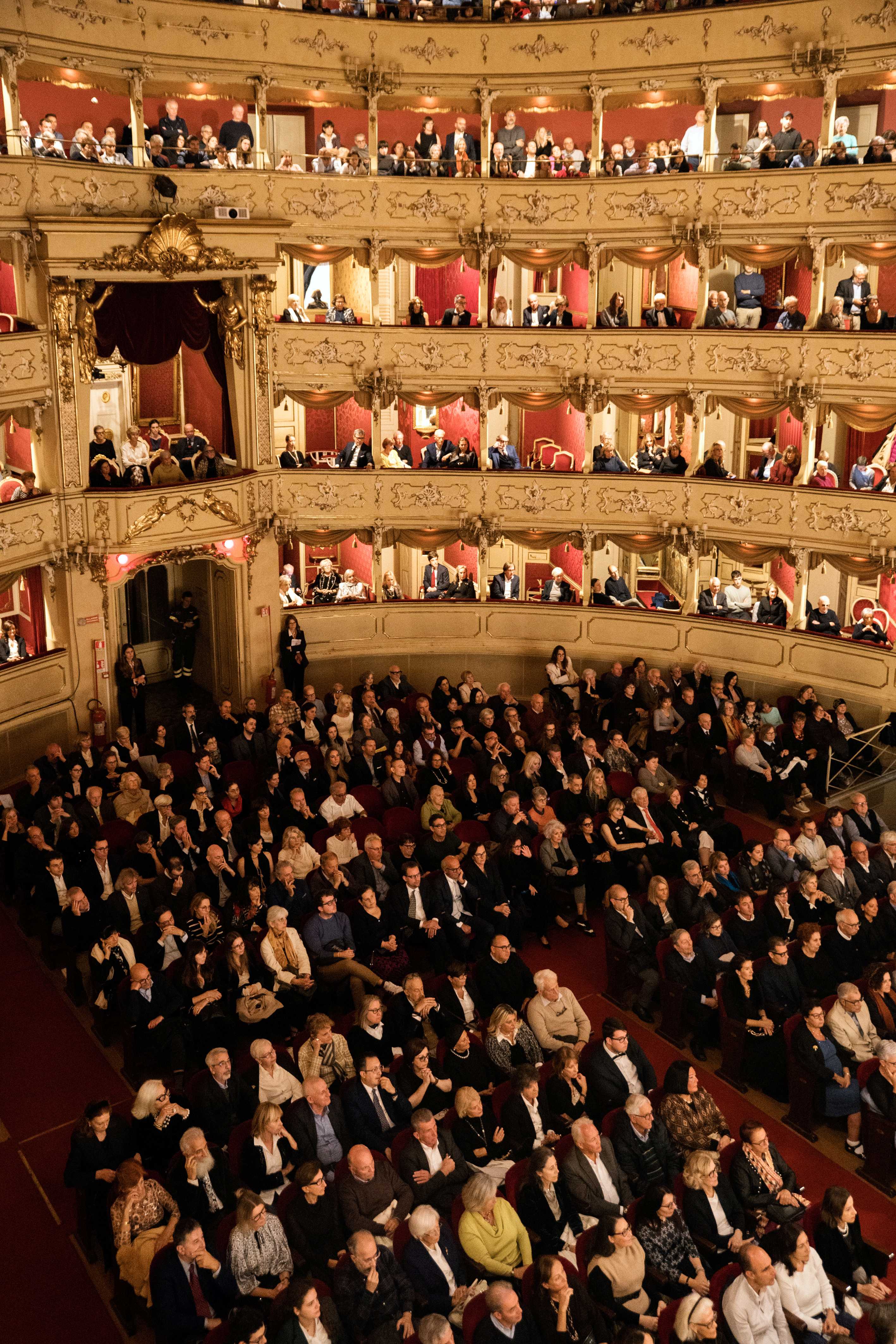
On 31 January 1809, Volta was presiding over Como’s Municipal Council when it approved the transfer of the site of the former Castello della Torre Rotonda to the Società del Teatro. It was the decisive step in giving the city a new space dedicated to performance and cultural life. Four years later, on 28 August 1813, the Teatro Sociale opened its doors.
For Dubini, that decision reveals something about Volta that goes beyond his scientific biography: "It tells us about a man who looked at the city with a practical eye: a community needs places where people can come together, and the Teatro Sociale has remained a constant point of reference in Como’s cultural life."
It is a simple observation, but it says a great deal about the way Volta viewed his city. The theatre was not merely a building or a place for performances: it represented a shared space capable of creating relationships, dialogue and participation. It is a strikingly contemporary idea and, more than two centuries later, one that still describes the role of the Teatro Sociale in the heart of Como.
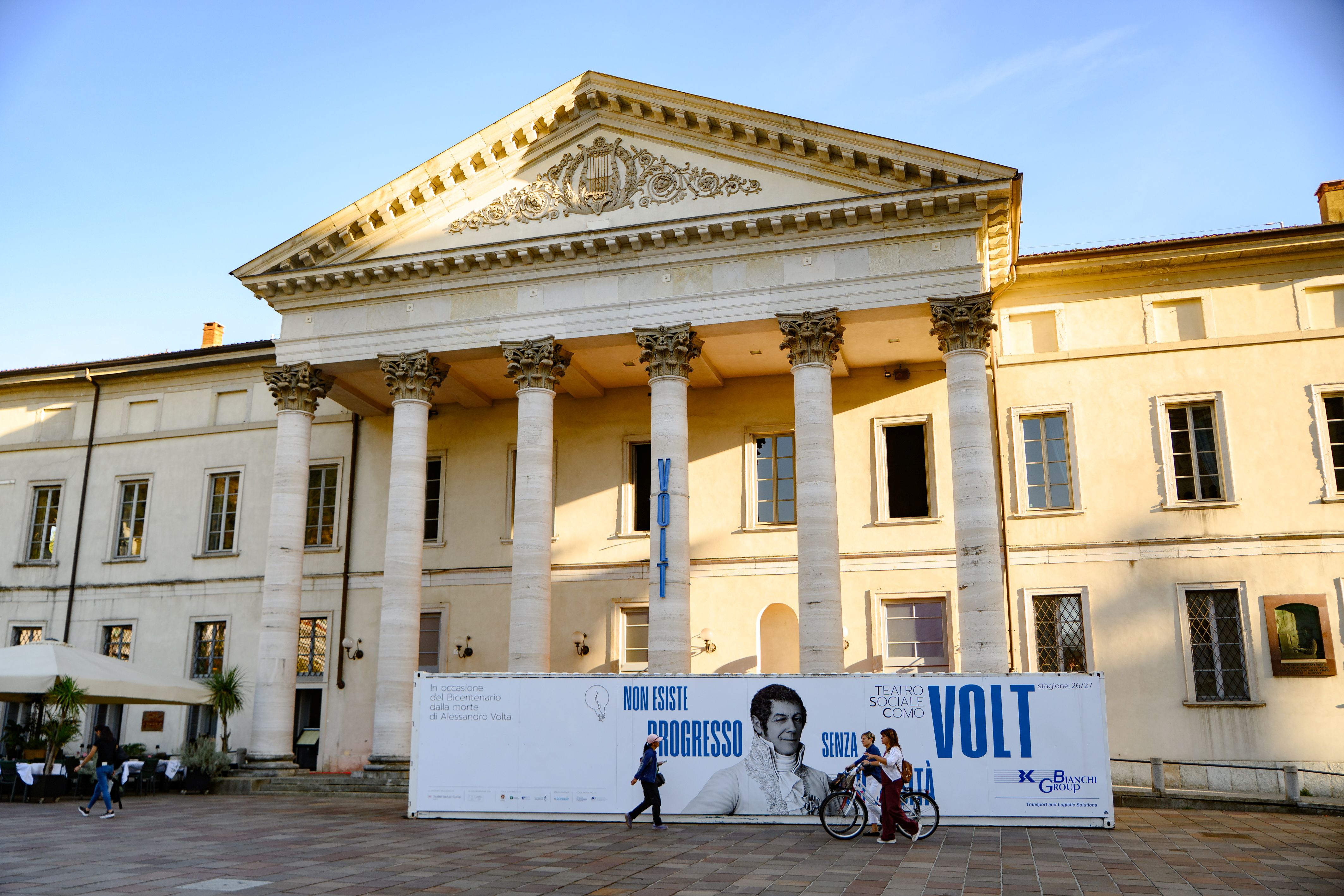
The connection between Volta, science and the theatre therefore belongs not only to history. Today that same space continues to welcome different languages and disciplines, bringing scientific culture, art and public engagement into contact with one another. The season dedicated to Alessandro Volta, the Festival of Light and the initiatives that have taken research beyond its traditional settings are all part of the same vision: making culture a shared and accessible experience.
This is also the spirit of the journey leading Como towards the bicentenary of Alessandro Volta’s death, which falls on 5 March 2027. More than a symbolic anniversary, it is an opportunity to bring the scientist back into the contemporary life of the city and to reinterpret his legacy through new perspectives.
This is the ground on which Fondazione Alessandro Volta works. Founded in 2015, it was created to enhance Volta’s legacy, promote the places associated with him and support scientific research. The Foundation begins with memory but looks above all to the present: connecting institutions, universities, schools, businesses and cultural organisations, and turning Volta from a historical figure to be commemorated into a living resource for the city.
The aim is also to tell a different story of Como from the image most immediately known around the world. A city that is not only landscape, lake and architecture, but also a place of research, scientific knowledge and innovation. In this sense, Volta’s legacy can become a way of reading the territory and of attracting a form of tourism driven by ideas, culture and knowledge.
Traces of Volta can be found throughout the city. There are places directly connected with his life and others built later to preserve and celebrate his memory: from the Tempio Voltiano to the lighthouse, and even the stadium created as part of the major commemorations of 1927. But there are also less obvious legacies, revealing not only the scientist but the citizen.
The Teatro Sociale is one of them.
More than two centuries after that Municipal Council meeting, its lights still come on in the heart of Como. And perhaps it is here that one of the lesser-told dimensions of Alessandro Volta becomes clearest: not only the man who helped change the history of science, but the citizen who helped create one of the places where, generation after generation, his city would continue to come together and tell its own story.